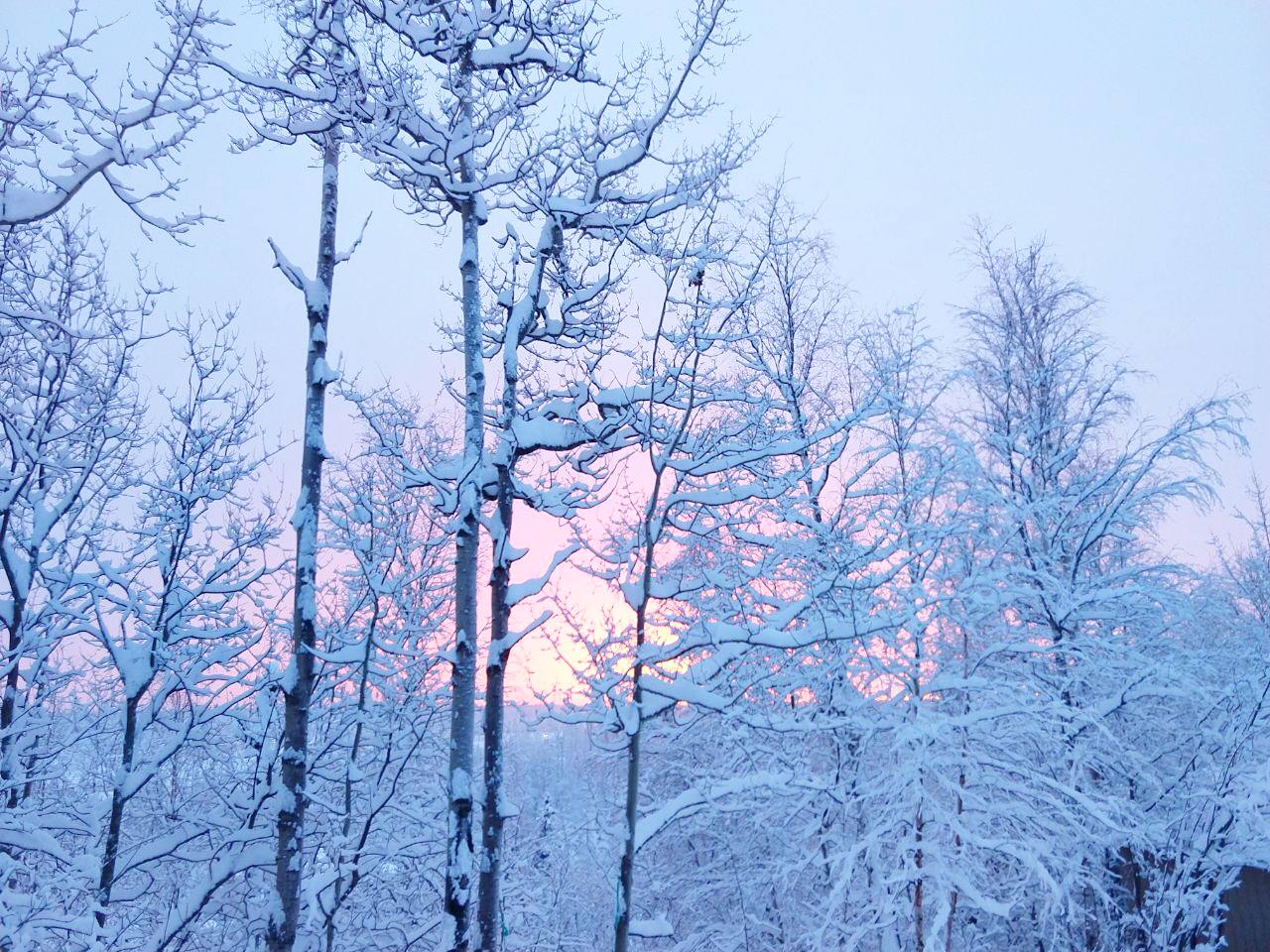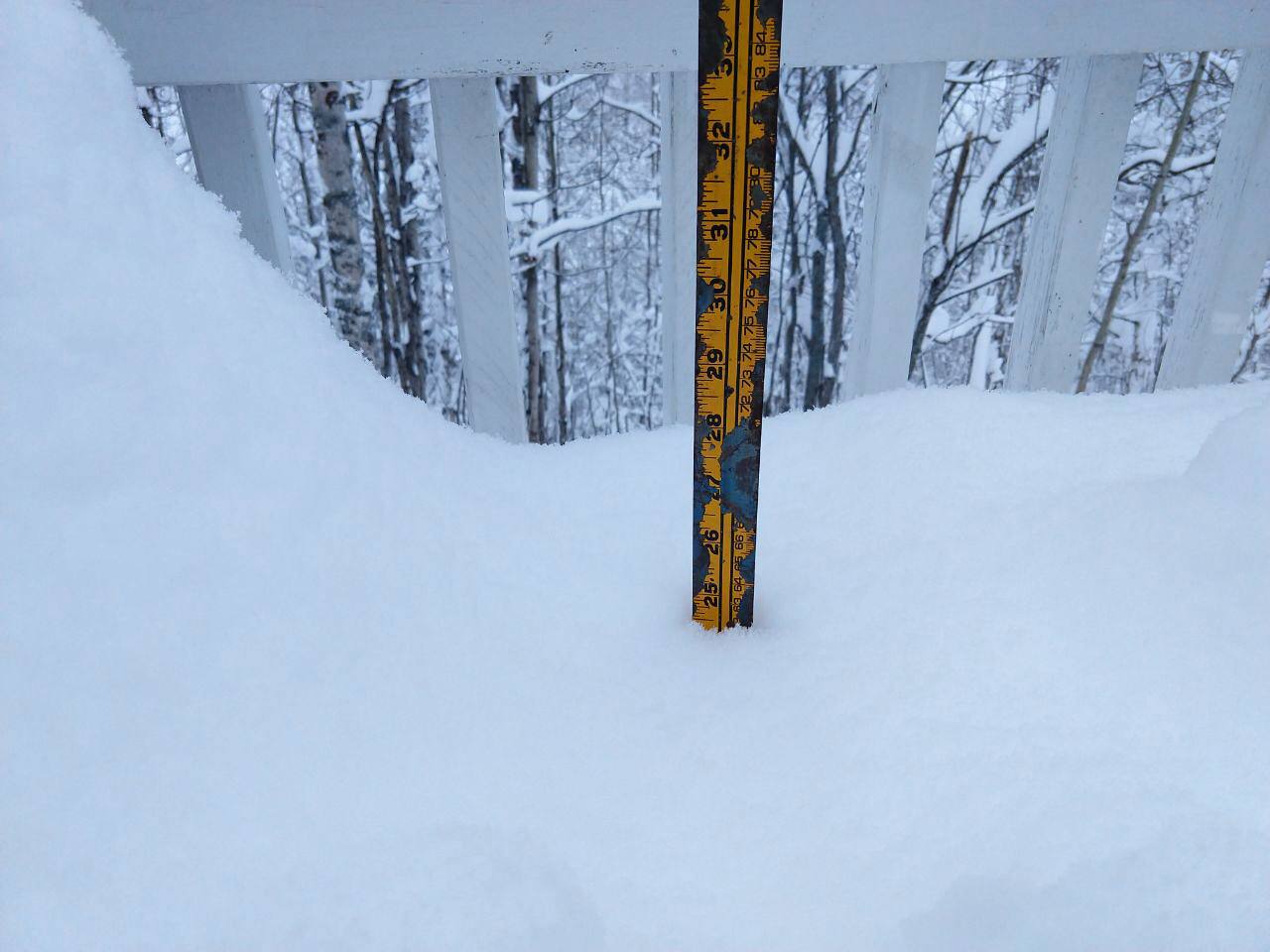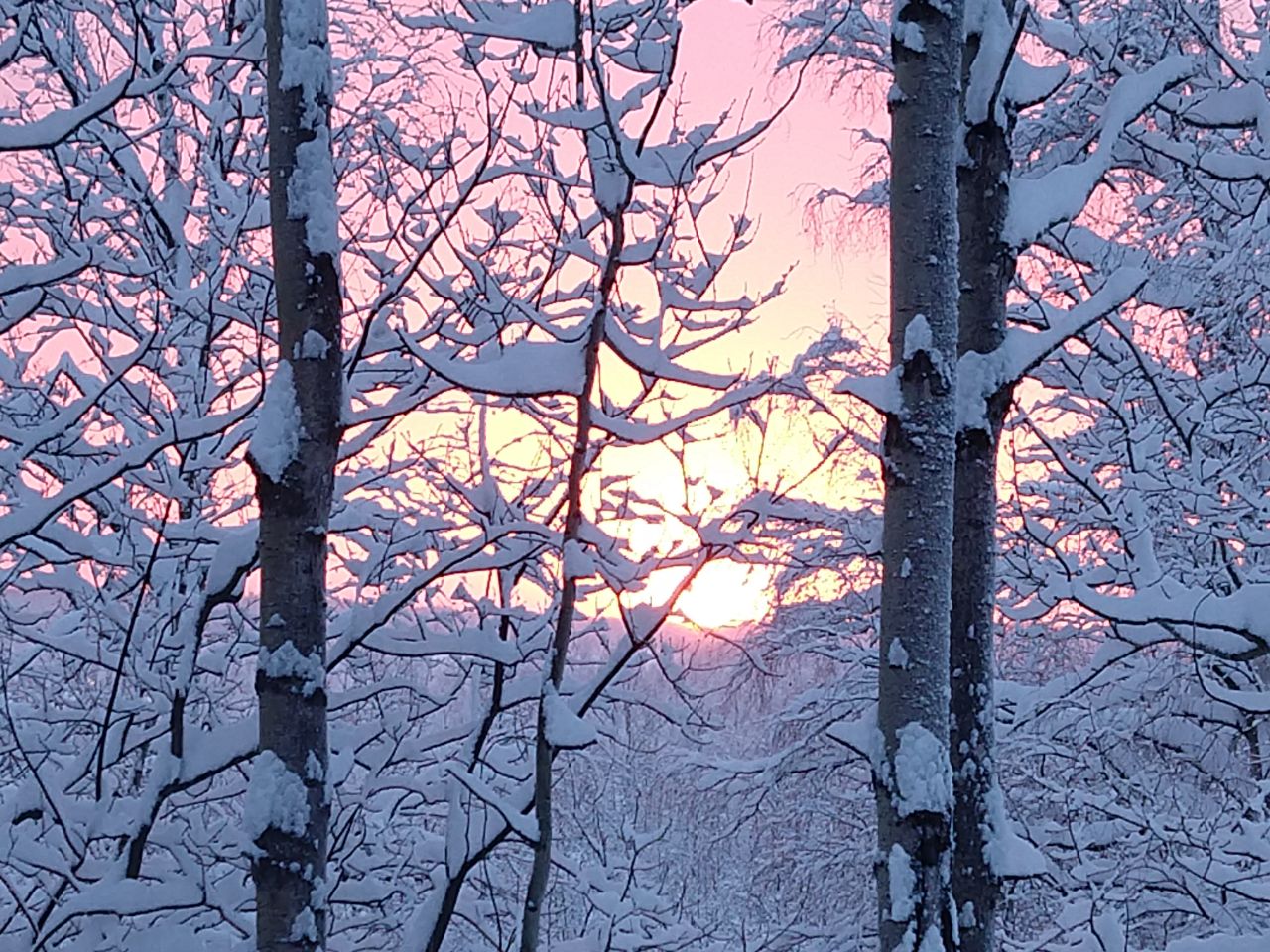
Yeah, I have no idea what any of it means, either.
Sorry.
Usually I write from my desk – more on that in a
second – but lately I get a lot of writing done during my kids’ martial arts
class. At first, the random, sudden shouts of “HAH!” startled me, but
now I’m good. If you’ve been reading here throughout the last year, many of the
posts and newsletters were drafted from this ugly chair I’m sitting in now
while listening to the instructions, thumps, and yells of the class.
The instructor was delayed last week, so the highest-ranking
student took charge and challenged one of my kids to lead the class in warmups.
No big deal, just tell everyone to do jumping jacks or whatever.
But it required a shift in stance: standing in front
of peers instead of next to them. And there was immediate resistance and
balking. I tried to repress a smile, and failed.
I know this kid. I know both sides of the challenge
and resistance. And after class, I went up to that brown belt student and thanked
him for pushing my kid to do hard things.
I resist these things all the time though, too. Dumb
things. For example: Because of how the light falls from all the windows in the
room, I have wanted to rearrange my office for ages. But I hate rearranging
furniture and won’t do it unless it’s absolutely necessary (like
when you add a woodstove). Once I have things the way I like
them, I like them to stay that way. Don’t we all?
But we finally switched things around and I love it.
Love, love, love it. Should’ve done it years ago. The space fits better, the
light falls easier, and I love being in there.
So when Kav’s cast came off a couple weeks ago…well,
I have a confession to make. I know this sounds terrible, but I was kind of
hoping it would stay on for a while longer.
Isn’t that awful? Because of course I want
him well. Of course I want his arm healed enough to convince the doctor he
no longer needs it. I want Kav to run and play without its cumbersome weight,
and to wear long sleeved shirts again, and to take baths without having to cover
it with a plastic bag. I want him to be cast-free.
Moms get this sudden rush of adrenaline whenever our
kids hurt themselves. If they fall, we also often feel pain; if I see one of
our kids trip on the stairs and hit their knees, I feel a twinge in my knees,
too.
Ever since Kav’s accident, that flood comes to me over
the smallest stumble (and he’s three, so he’s constantly running, crashing into
things, tumbling, doing all the things that little guys do). I have to remind
myself that he’s okay. He’s not broken. We don’t have to go back to the
hospital. We don’t have to endure that all over again.
When I noticed this anxiety shortly after the
accident and confessed it to a friend, she said I may need to come to grips
with surrendering ourselves to the Lord in a whole new way, to trust Him with
our safety. We’ve had 21 years of parenting kids without breaking anything, and
in one afternoon that changed. Suddenly, I saw us differently: Breakable.
Vulnerable. Fragile. Exposed. Costly.
So I had sorta hoped his cast would stay on for
another couple of weeks to allay some of that. I found myself trusting the cast
to protect him from reinjuring himself; I was so grateful it was there to
absorb the brunt of his activity.
But do I trust God to protect him? Yes. I think so.
Mostly.
I want to, at least.
It is better to take refuge in the Lord than to trust in man. It is better to take refuge in the Lord than to trust in princes.
– Psalm 118:8-9
This all comes at the same time our oldest daughter
is getting her license and driving in the snow and looking at new jobs and
graduating and talking (so much talking) about moving out to live on her own.
I used to be fine with it. Kids have moved out of
their parents’ homes since the beginning of time, and this isn’t the first kid
of ours who will have done so. But, hey – most of the time when kids grow up
and move out on their own, it’s not when the globe is on the brink of the
Apocalypse. (Although she is one of the kids in that martial arts class,
so there’s that.)
In so many ways it has been a stretching season of
the Lord calling us to see differently: Stand here, in front. Turn around,
look over here. Don’t see what your feelings are telling you, see what I’m
telling you.
“Look for the valleys, the green places, and fly through them. There will always be a way through.” – C.S. Lewis, The Magician’s Nephew
I’ve been going back again and again to this verse:
This is serious. Do not fear is a command, not a suggestion, for good reason. Fear doesn’t care for permission; it just wants access. The counterfeit picture of what we’re afraid of may be the key that permits that access.
But agreeing with God, picturing the victory and trusting Him for what He has promised, strips the enemy of power he will wrest from us otherwise. Trusting God is the fatal, final blow that puts fear out of our misery.
We see exposure and vulnerability in new endeavors and stretching seasons, but God sees strength and fearlessness. We’d rather not deal with more changes, but God is bringing alignment for healing and victory. I’m tired of having my safe places peered into, and exercising muscles that have been resting and healing. But God sees that I’m ready to do hard things again.
“When things go wrong, you’ll find they usually go on getting worse for some time; but when things once start going right they often go on getting better and better.” – C.S. Lewis, The Magician’s Nephew
Kav is running and playing. He has full movement and extension of his arm and fingers. He falls sometimes, but he gets up every time and keeps going. I’m noticing the rush of adrenaline diminish.
I still don’t usually like standing in front, feeling vulnerable while people look at me. But we often resist change when it’s exactly what we need, and we will love the results if we surrender to them.
He’s saying, Hey Love,I’m peeling back layers of shelter because you’re ready to expand and advance.
Your kingdom come, your will be done, on earth as it is in heaven.
– Matthew 6:10
It requires a shift in stance so we can see what He does. Because
He’s the Instructor, saying, Go. Step through. Bring it down here.
We’ve had several
windstorms already this winter but lucked out during the last one, when most of
the Valley lost power. We, of course, had our own drama at that time so it was a huge blessing we didn’t also
have to deal with no heat, hot water, or electricity. But we lost power earlier
in the year enough times to decide that a woodstove was a necessity sooner
rather than later.
When the power went
out during the first windstorm last fall, it was late afternoon and we were
quickly losing daylight. I was reading, moving closer and closer to the window
so the light would hit the page at the best angle.
This was before the first real snowfall, so the ground didn’t reflect any light. Outside, an old leaf flew up and caught on the branch of a tree, adopted temporarily before letting go and flitting like a bird to another tree where it held again for a minute before a gust blew it away.
Inside, the light kept fading, and even though I was trying to read HannahFowler fast enough to finish the chapter before darkness made it impossible, it was a losing battle. It was just like when you stay up too late, trying to finish a chapter before exhaustion hits. But there wasn’t enough light, so I gave up and lit candles and started putting together a cold dinner.
My goal was to read 52 books last year. I read 54. It’s my
record; the only other time I came that close was 21 years ago which was the
first year I was a mother, when I was nursing a baby with reflux 32 hours a
day. This year my goal is higher but so far it’s off to a slower start – I’ve
only marked off one book so far – though I read
several at a time and could feasibly knock out six before February. We’ll
see.
Here are my favorites from last year: The ones I loved, the ones I’ll read again, and the ones that I think could change the world if more people read them. Not every book fits in all those categories (though the ones by C.S. Lewis do, of course). And in full disclosure, the first two books on this list are ones I’m still reading. But I love them so much that you get them on this list now so you can grab them sooner rather than later if you want to.
The Vision of the Anointed by Thomas Sowell:
I quoted this one twice in my last post
with this warning: “Thomas Sowell is crazy smart, and I admit it helps to
have a drink handy while reading him (I mean coffee, not wine, or don’t
bother).” So you’ve been warned. But this is one that I think could change
the world if more people read it. He wrote it about 20 years ago, but you’d
never know that if the copyright page didn’t tell you; it seems like he’s
writing about the days we’re living through now. Here:
Human beings have been making mistakes and committing sins as long as there have been human beings. The great catastrophes of history have usually involved much more than that. Typically, there has been an additional and crucial ingredient — some method by which feedback from reality has been prevented, so that a dangerous course of action could be blindly continued to a fatal conclusion.
— Thomas Sowell, The Vision of the Anointed
An Everlasting Mealby Tamar Adler:
I’ve read a lot of cooking and foodie books over the last
few years and this is my new favorite. I will come back to it again and again
(and I already do, as I’m cooking) – she is not only a beautiful, gifted
writer, but she cooks the way I do (except she’s a chef, so, you know, tiny
difference) and reading this book validates my quirks in the kitchen. I want to
cook every time I read it. So if you don’t like to cook, give it to your
spouse and see if it does the same thing. You’re welcome.
Howards End by E.M. Forster:
I don’t know if I loved this book because I loved the new movie version first
or if I would’ve loved the book more (or less) had I read it first before
watching it. It’s one of those that has major lessons in it about human nature
for those who read slowly enough to learn them. But if you’re not sure about
reading it, try the most recent version of the movie because it is also wonderful,
and see if that convinces you. Because, forget Howards End, I want to live in the
Schlegel’s London flat full of stuffed, turquoise bookshelves.
Pity, if one may generalize, is at the bottom of woman. When men like us, it is for our better qualities, and however tender their liking, we dare not be unworthy of it, or they will quietly let us go. But unworthiness stimulates woman. It brings out her deeper nature, for good or evil.
– E. M. Forster, Howards End
Nicholas Nickleby by Charles Dickens
This was my second go-round with Nicholas Nickleby and I forced my family to come with me. Most of them Some of them liked it. To be fair, it took us over two years to get through the whole thing because it’s over 800 pages and we would read aloud only a few times a month over the squalls of a baby who became a toddler while we went through it. Using Librivox during long drives to Palmer helped, and if you like audio, there’s a terrific version here.
Here’s why I love Nicholas Nickleby, and it’s not just because it’s by Dickens (though he’s my favorite and that’s a pretty good reason): I love Nicholas because he does what you want him to. He stands up for his sister, he confronts cruelty, he is patient and tender with the broken, and best of all, when someone needs horsewhipped, he’s not afraid to do it. *glares disgustedly at David Copperfield*
The Awakening of Miss Prim by Natalia
Sanmartin Fenollera
I do not like modern fiction, almost ever, and this was an
exception. It is a cozy, contemplative, bookish story that makes you want to
move to the town it takes place in. But let me do you a favor and tell you right
now that the Man in the Wingchair never gets a real name, which surprised and
annoyed me – I had been waiting to discover his name for the entire book. So
I’m telling you now to prevent you from expecting it and being disappointed,
thereby freeing you to love this otherwise delightful, beautiful, slightly
nerdy book.
Hannah Fowler by Janice Holt Giles
This was an ugly old hardcover sitting on my shelf that I
must’ve picked up at a thrift store years ago. I happened to pull it off the
shelf one day and out of curiosity read the first sentence, and then the next,
and then the next…and this is a good way to find the next book you want to
read. If you’re not bored in those first sentences, it’s worth a go.
I learned something new in every chapter about pioneering
life, living outdoors, and homesteading. Hannah is a strong, thoughtful
character, and as I read I wondered if she was strong or gutsy enough to do the
things I was hoping she would…and she did.
Wind in the Willows by Kenneth Grahame
I have said so much about Wind in the Willows here
already. It’s in this post,
and this
post, and this book,
and all I have left to tell you is that it gets better and better the more
times you read it, so please get going on it and you won’t be sorry. This was
probably my fourth or fifth time through. If you can read it out loud to your
kids and give Toad a ridiculous voice, all the better.
A Brutal Justice by Jess Corban
Quick backstory: I found this book through an online readers group when someone mentioned a hate-fest of people leaving 1-star reviews for its Christian author because one reviewer said her books were full of homophobic content. So I bought the books (it’s a series of two) to see for myself, and lo and behold…the haters were wrong, as they often are. Here’s my review of the first one, which will also tell you a little about the second one:
This book both was and wasn’t what I expected, but it was nothing like what all the angry, misinformed 1-star reviews tout it as (most of whom admit they never even read the book, which is obvious to those of us who have…and ironically meshes well with the point of the story).
That point of the story is that women, acting in fear and anger and hatred, can be overbearing and cruel. Attempting to fix one huge problem by going in the extreme opposite direction is foolish and leads to serious consequences. Those consequences need to be faced and acknowledged, not ignored out of fear, insecurity, or narcissism.
I don’t usually like young adult books or dystopian novels, and the writing in this book is definitely not my style. (The writing in the second book improves by several notches, in my opinion.) But the storyline is fascinating, and the way both men and women are honored for their distinctness is something that I’ve thought about for days, and will continue to do so.
So, back to my review of the second book in the series, which is the one I loved: Remember what I said about not liking modern fiction? This was another exception that has me rethinking my prejudice. The concepts, characters, and setting were fascinating, and the turns of the story were super satisfying. The first book sets the stage for the story, but this is the one that I didn’t want to end.
Mere Christianity by C.S. Lewis
C.S. Lewis gets a lot of credit for Oh My Soul
because this book shaped much of it (or, it shaped much of me as I was writing
it) and I come back to Mere Christianity every five years or so because
it is so rich, I want the truths to sink into me and stay there. My high
schoolers (three so far) each read it twice during school – once as freshmen or
sophomores, and again as seniors.
“A silly idea is current that good people do not know what temptation means. This is an obvious lie. Only those who try to resist temptation know how strong it is… A man who gives in to temptation after five minutes simply does not know what it would have been like an hour later. That is why bad people, in one sense, know very little about badness. They have lived a sheltered life by always giving in.”
– C.S. Lewis, Mere Christianity
The Whole-Brain Child by Daniel Siegel and
Tina Payne Bryson
I don’t read many parenting books anymore. It’s definitely
not because I feel like I have this parenting gig nailed already (I am still
trying to remember to get my little kids in the bath at least twice a week) but
because parenting books can be so discouraging. Overwhelming. Condescending and
condemning, in a nicey, psychobabble-laced-with-Christianese kind of way. And
I’m good enough at fighting all those feelings without paying $17.95 and
reading 220 pages to pound it in, thankyouverymuch.
This book was not like that, though. This book was
empowering and encouraging and equipping, and so full of ideas and information
that it is worth keeping on a low shelf where you can reach it often and refer
back to. It also has a terrific section in each chapter that you can read with
your kid to empower, encourage, and equip them as they learn to understand how
their brain works, too.
The Enchanted April by Elizabeth von Arnim
Another book that you might know better by the movie. I watched the movie years ago and forgot about it, which was a blessing as I read the book because I didn’t remember any discrepancies that irritated me. Iree read the book shortly after I did and then we rewatched the movie and noticed a few. They were, overall, forgivable, and the movie still stands as a good one. But read the book first. It is cozy and quirky in some of the same ways as The Awakening of Miss Prim, but less bookish, more of a study in human nature, and guaranteed to make you laugh out loud at least a few times.
Bandersnatch by Diana Pavlac Glyer
This book delves into the friendships, collaborations, and
works of C.S. Lewis, J.R.R. Tolkien, and the rest of the Inklings – how they
inspired, encouraged, criticized, supported, and argued with each other, and
became more of who we know them to be because of how they lived out the concept
of “iron sharpening iron” in a particularly literary way. Vin, Iree, and I all
read this last year and each of us loved it.
As we have seen, the Inklings provided inspiration to start new projects; offered support in times of confusion; shaped the direction of one another’s stories; criticized drafts so severely that books were abandoned; changed what they wrote in anticipation of the groups response; initiated competition that spurred their productivity; edited ragged rough drafts and polished fine ones; worked together to produce joint projects; created fictionalized characters based upon one another….And their experiences point to a much larger truth: creativity thrives in community.
– Diana Pavlac Glyer, Bandersnatch
The Screwtape Letters by C.S. Lewis
I read this one last year with a group of friends, and I think I can speak for all of us when I say…it sorta kicked our butts. It wasn’t what I expected, which is ironic because this was my second time reading it. The first time was years (yeeeeears) ago, and I remember it being funny, clever, intriguing, and insightful. And this time it was all that, but deeper, more intense, and way more challenging. Maybe it’s the times we’re living in that brought up a lot more than I noticed the first time I read it. It is a study on human nature, and it is your nature that you’ll examine as you read it. But done right, it leads to more wholeness, and that’s where we want to go.
“When He [God] talks of their losing their selves, He means only abandoning the clamour of self-will; once they have done that, He really gives them back all their personality, and boasts (I am afraid, sincerely) that when they are wholly His they will be more themselves than ever.”
― C.S. Lewis, The Screwtape Letters
Money For Nothing by P.G. Wodehouse
This is a brief honorable mention which gets credit for
making me laugh so hard that I made ridiculous little desperate, gasping noises
because it was 1 am and I was scared of waking up the kids. The argument with
the Emily the dog…Hugo catching the burglar while reciting lines from Julius
Caesar…Mr. Carmody among the birds…this one’s worth trying. Just don’t blame me
if you stay up too late reading and wake up your kids by laughing out loud. I
already warned you.
So there you go. We’re ready for a big power outage now; we rearranged our bookshelves and dedicated my favorite little corner to our new woodstove. But if you need more book recommendations, all of our books are here. :)
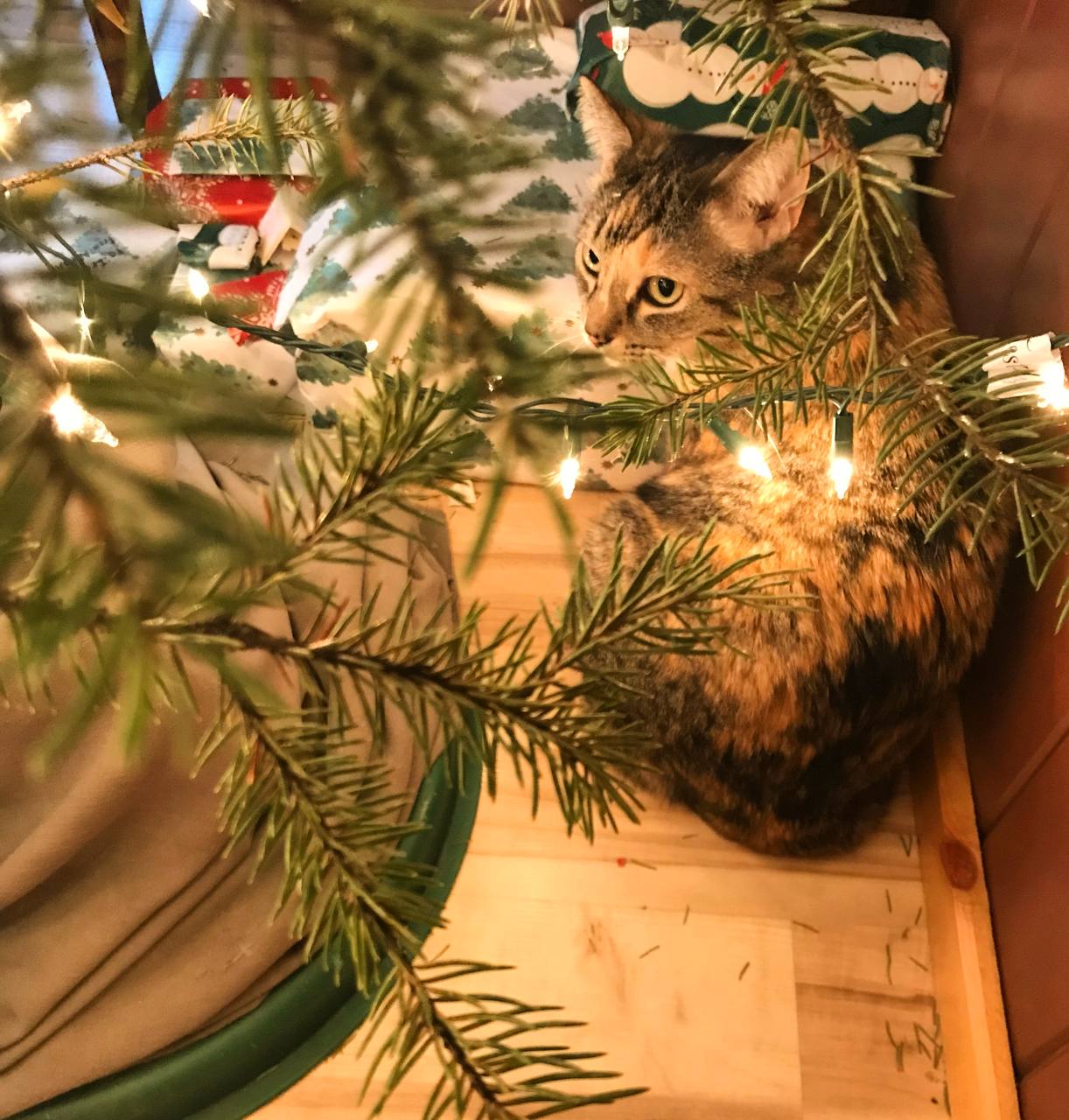
Mealtime traffic in our kitchen resembles the streets of New Delhi, with the bonus of weaving through the local wildlife of little boys, teenagers, and cats.
Kavanagh climbs onto a barstool and kicks his legs at the counter in time to the Christmas music. Newly three, the kid eats as though he is an advocate for the neighborhood chickens, leaving out his scraps of bread crust and tortillas to harden, nubs of carrots to darken and shrivel. In frustration over all the wasted food, I designated a container for chicken scraps in the fridge and informed the family about it.
“It’s for bready stuff, grains, and fruits and veggies.” The blank looks that met these words seemed to beg for more specifics, so I added, “Pretty much anything except potatoes, potato peels, onions…”
Eyebrows raised. Maybe it’s too late in the
evening to introduce foreign concepts like the Care and Feeding of Neighborhood
Chickens, I thought, but forged ahead anyway.
“…and citrus. You can’t give them citrus –”
Vince laughed outright. “That’s a lot of excepts.”
I ignored him and looked at the mess on the counter.
“— and pomegranate rinds.” Maybe it would be easier if our neighbors had pigs
instead.
We’re planning to get our own chickens in the
spring, but don’t think I haven’t already considered pigs, albeit briefly (very
briefly) since we don’t have the space. Our property on a bluff with hills is
more situated for, you know…goats…since we’re already talking about wild ideas
that make Vince laugh out loud.
Lately I’ve been reading every homesteaderly book I
can get my hands on. We make small steps every year – a new perennial here, a
new skill there – and this year I’m feeling ready for long strides and bolder
endeavors. In the middle of winter, right before Christmas, I see green
growing things in the future, and fresh herbs in salad.
Sometimes we talk about it in the evenings as we
work on the Christmas puzzle, moving all the gardening and foodie books off the
card table where they protect the work in progress from the, ahem, local
wildlife. Left uncovered, a puzzle in our house will last less than three
seconds before little boys “help” by crushing large sections together, and cats
tear through it like tiny tornadoes.
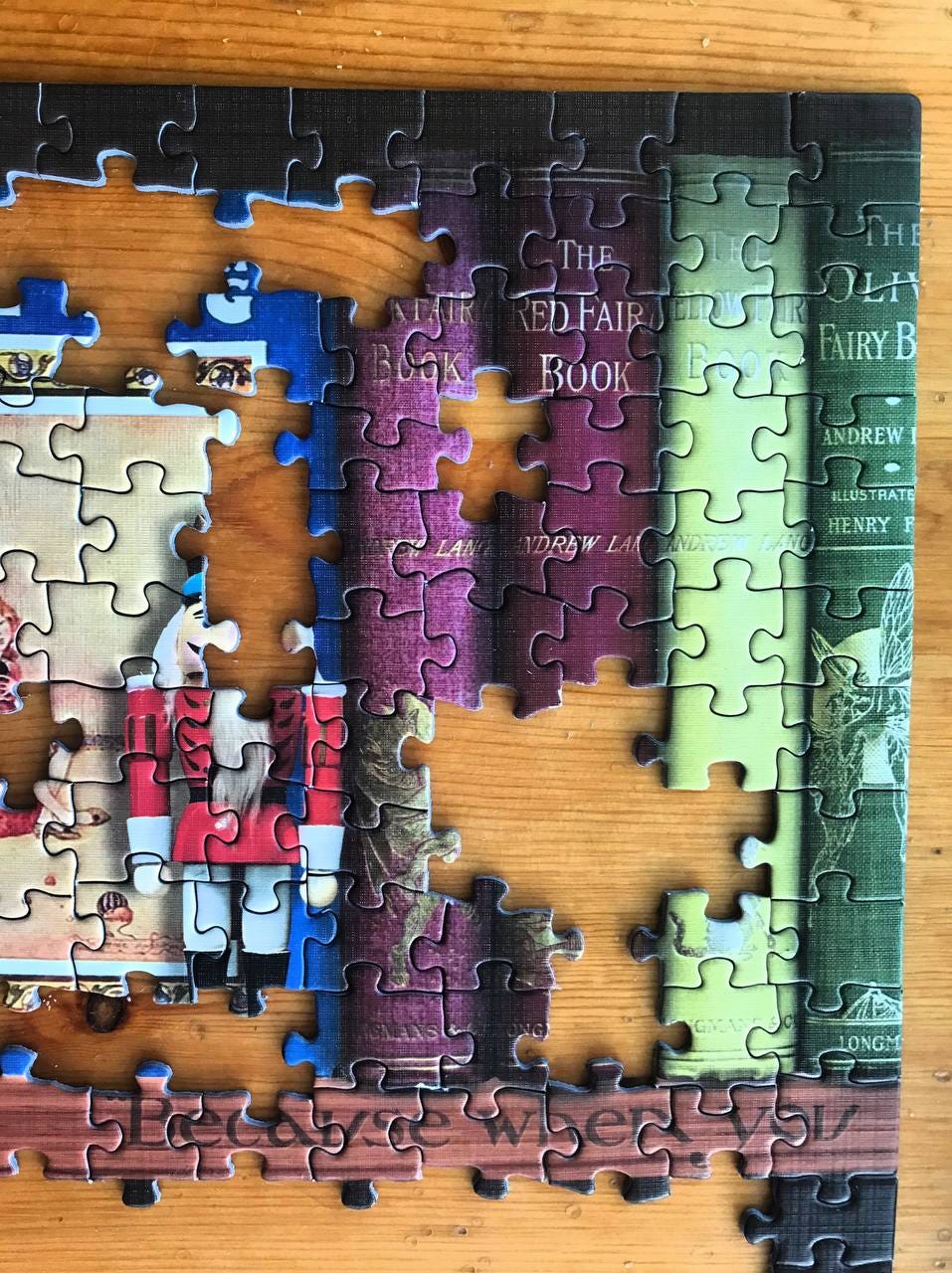
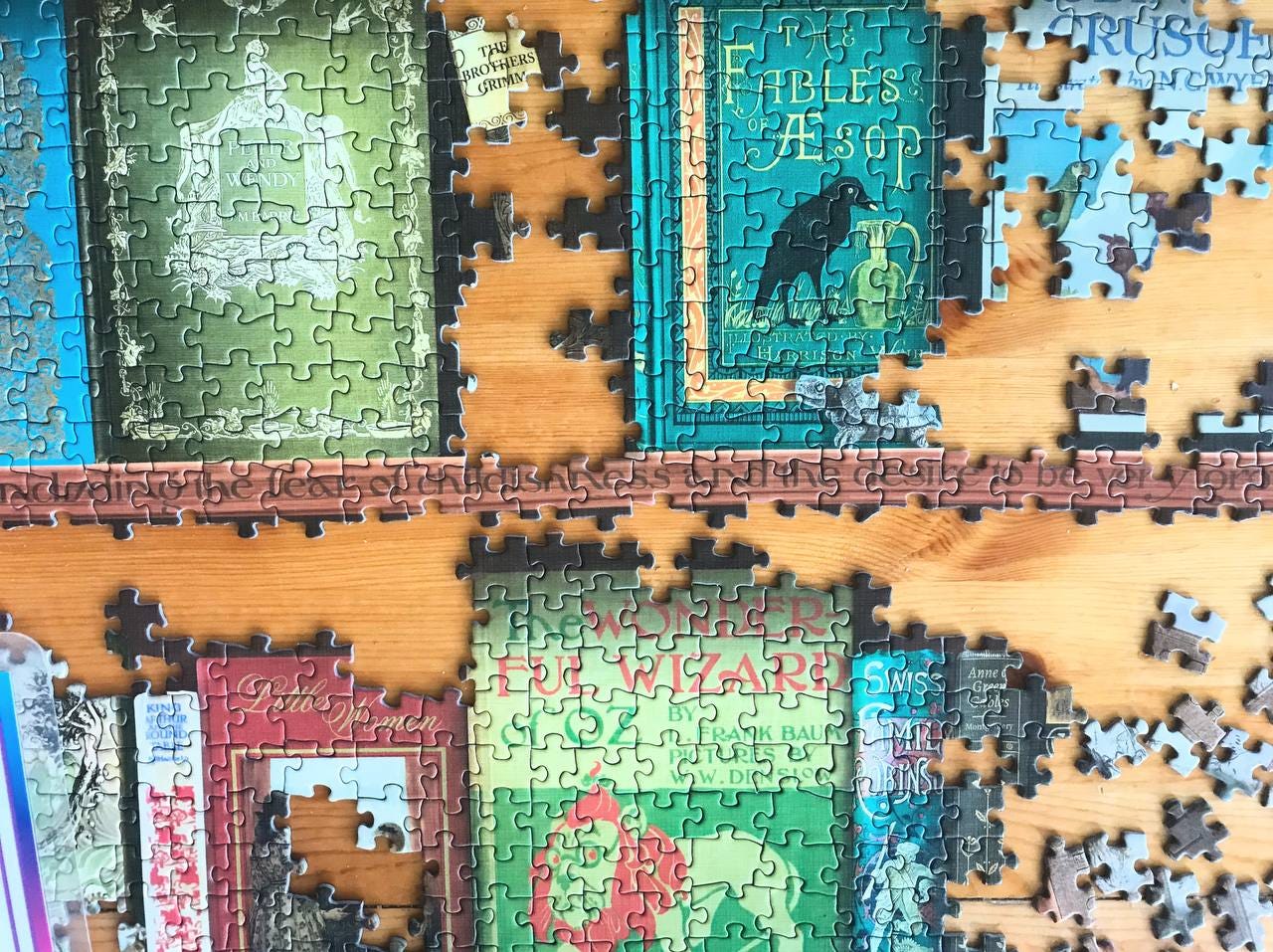
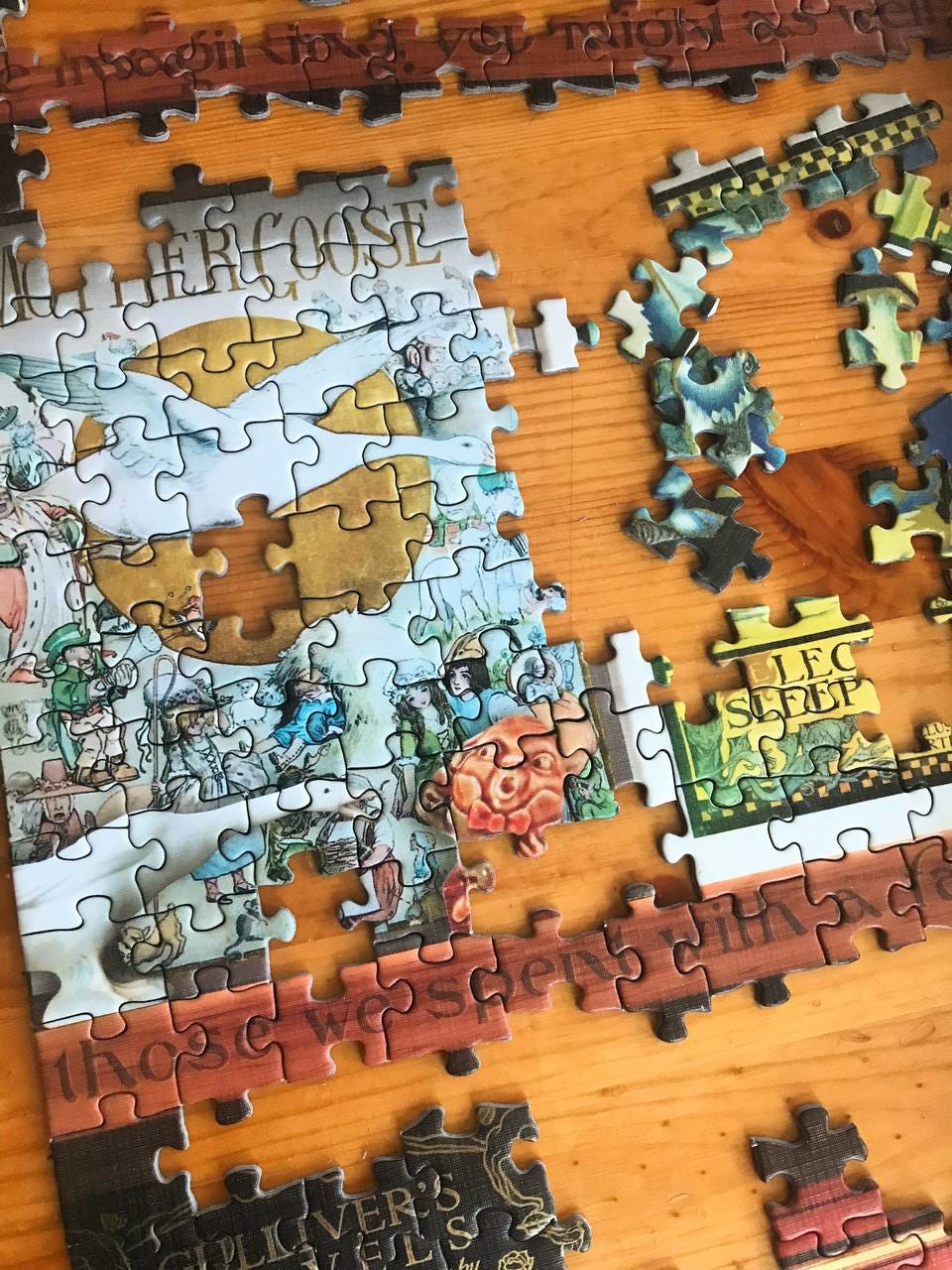
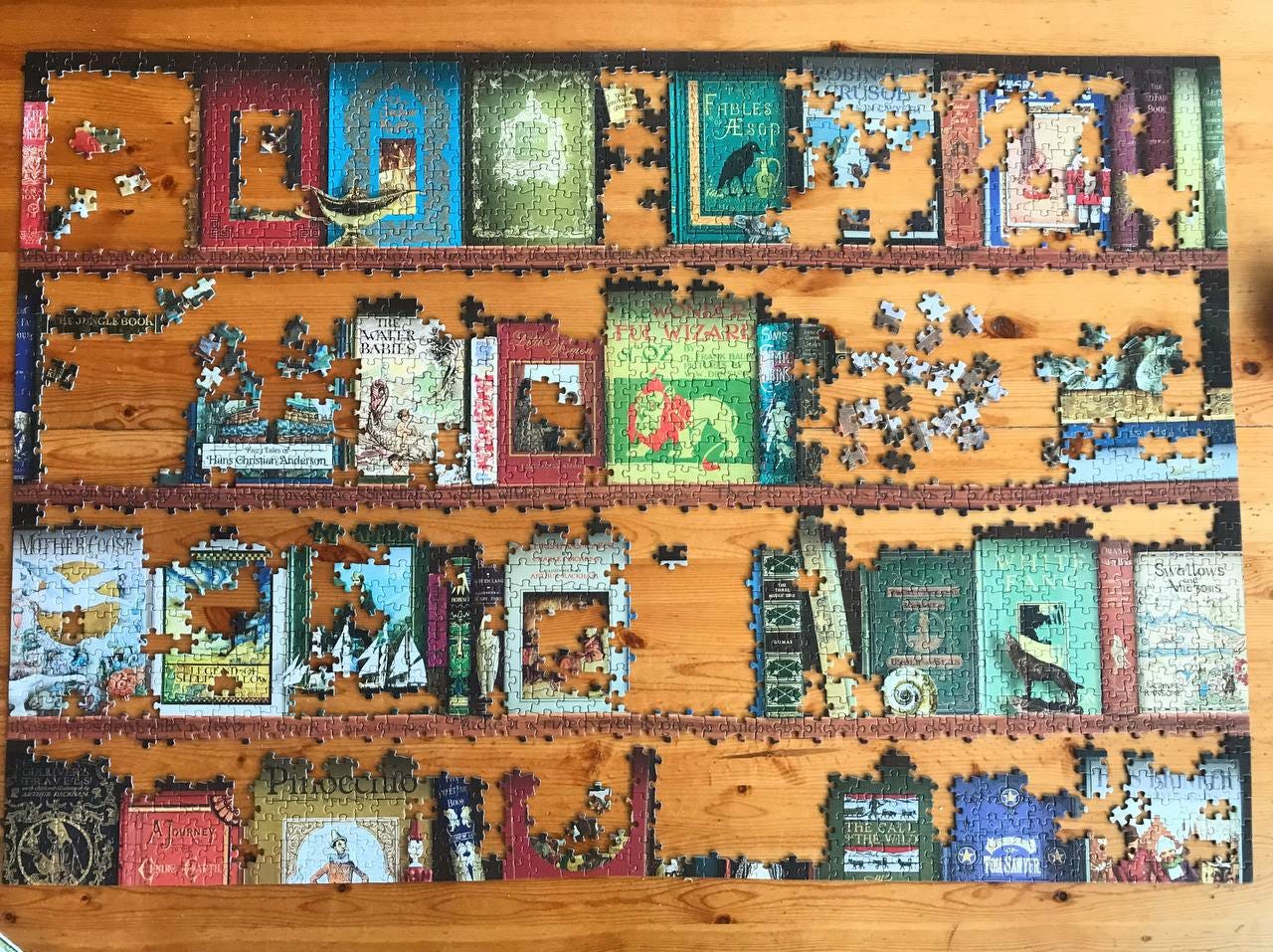
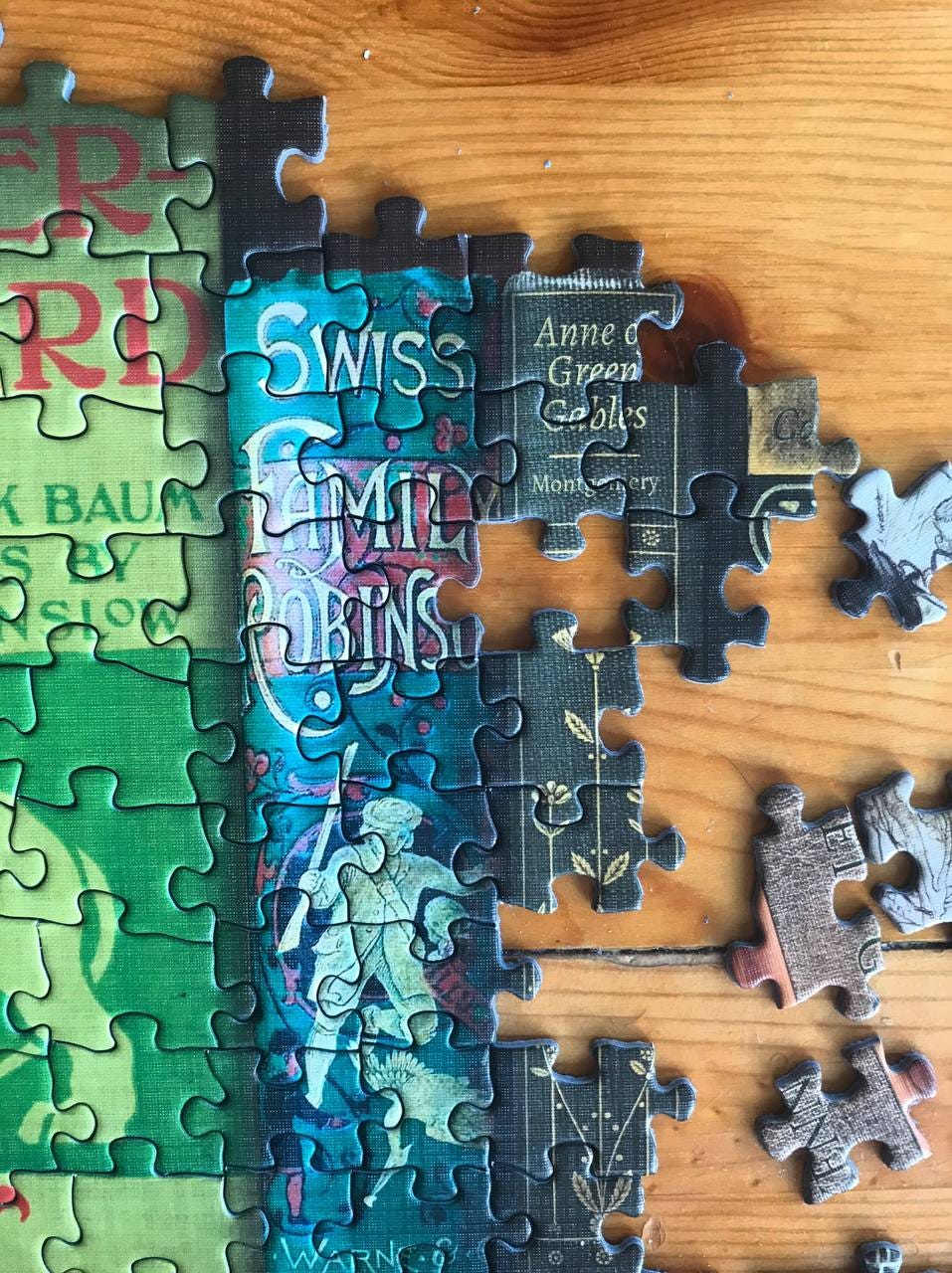
We finished one already and we’re onto the second, called “Coming and Going” by Rockwell. We rake through the box, sorting greens from blues or whites from greys, and searching for the elusive edge pieces we’re missing. A thousand pieces at a time, we solve all the world’s problems at this little card table in theory while thinking about how to steward the acre we live on.
My birthday was last week. I got sick the Sunday before,
and blinked, and by Thursday I’d depleted our store of tissue boxes and turned
45.
The timing wasn’t all that bad, because Vin invented
something new for the week before Christmas break: Movie School for the big
kids. Aside from math, no assignments other than watching a bunch of movies that
fall more under the “education” than “entertainment” category for some of us,
which is how we got Afton to watch Sense & Sensibility (the good
version from 2008), and Iree to watch Glory and Amistad. We had to
prioritize, not wanting to miss the best ones because Iree is a senior, and
this might be our last Christmas with her here under our roof.
Cue suppressed sobbing, and another box of tissues.
By my birthday we’d watched most of the movies, and my grandma called late that afternoon. She asked the same question she does every year: “How old are you now?” as though I have birthdays as often as bank holidays.
“Well, how old am I, then? Numbers befuddle me sometimes.” And that surprised me, because her age was a pretty big deal last month.
“You’re ninety, Grandma.” More tissues, egad. “Are you
having a good day?”
“Every day is a good day as long as I’m still here,” she
said. “Some days I don’t know what day it is, and other days I don’t care
what day it is, but every day is a good day.” There’s a Grandma-ism for you. We
chatted a little more, exchanged I love yous, and hung up.
I didn’t tell her that a couple hours earlier, my other grandma died. My aunt and I had been texting that afternoon and knew she was probably close. I prayed that God would encounter her in her sleep and draw her near…and I’m confident He answered because it’s something He loves to do. She taught me about sewing and gardening, and introduced me to the biggest poppies I’d ever seen. We just ordered heirloom seeds for next summer, and included three different kinds of them.
My grandpa, her husband, died in October and I wasn’t close
to either of them anymore. She didn’t recognize me when she last saw me several
years ago, but when Kav was five months old I took him to see Grandpa, and he
knew me. It took a few long seconds, and I watched recognition dawn. He held
Kav’s tiny hand. I told him they smile the same way. And Grandpa looked away,
trying to suppress a smile as he quietly touched his own mouth, the same way
Kav still does. As we left, he let me pray for him. And he said thank you, and
we exchanged I love yous, too.
And now they are both gone, and Grandma is 90, and I am 45.
Little Kavanagh just turned 3.
The world is spinning too fast, so I am going to put these
pieces together while the snow falls outside, and read about raised beds and
chickens.
But I didn’t get far because a delivery truck pulled into
our driveway. I ran down the stairs past kids who were running up them, and
opened the door to the driver and his assistant as a gust of snow blew in. He gave
me a paper to sign, handed me a pen.
“I think it’s the…16th,” the young guy said,
eager to help. I smiled and signed my name. Went upstairs, and went back to
reading about compost: these elements that die to bring life, but that only do
so once broken down properly.
Ash is a good addition to compost, the book says, and
I remember that from having a woodstove in our last house. And that’s
encouraging, because we’re installing a woodstove in this house next month, and
a few more raised beds in the summer, and we’ll need more compost. I see a new
plot of carrots, garlic, and cumin, and the need for a wheelbarrow next year.
That night while Vin put the little boys to bed, I made tea
for kombucha – this is a skill I know that no longer intimidates. Into the
water goes the tea, a pinch of dried plantain, and a small handful of dried
dandelion. Stir with the wooden spoon. Grab a sweater and pull it over the
flannel. The water starts to boil, turn off the heat. It will sit overnight,
cooling, growing stronger. In the morning, I’ll strain the leaves and toss them
in the compost before adding the sugar and scoby.
The kitchen is quiet, the traffic stilled. I can hear Vin
reading to the boys upstairs. We’ve been talking about how life will change
rapidly in the next few years, with another kid or two graduating right after
Iree does. In five years, out of eight kids, only half of them will be living
with us, and we probably won’t be reading many bedtime stories anymore.
In the middle of the mayhem, I see an emptier house and a
less busy kitchen in the future, and small boys growing taller than me, like
their brothers.
But I also see their older siblings returning with grandkids to visit. I see them playing in the garden, chasing chickens, and tracking dirt into the kitchen as we weave and dodge their busy traffic. I see reunion and life ahead, and poppies blooming in summer.