can’t get enough: why the Lord is excited about the parts that bore us

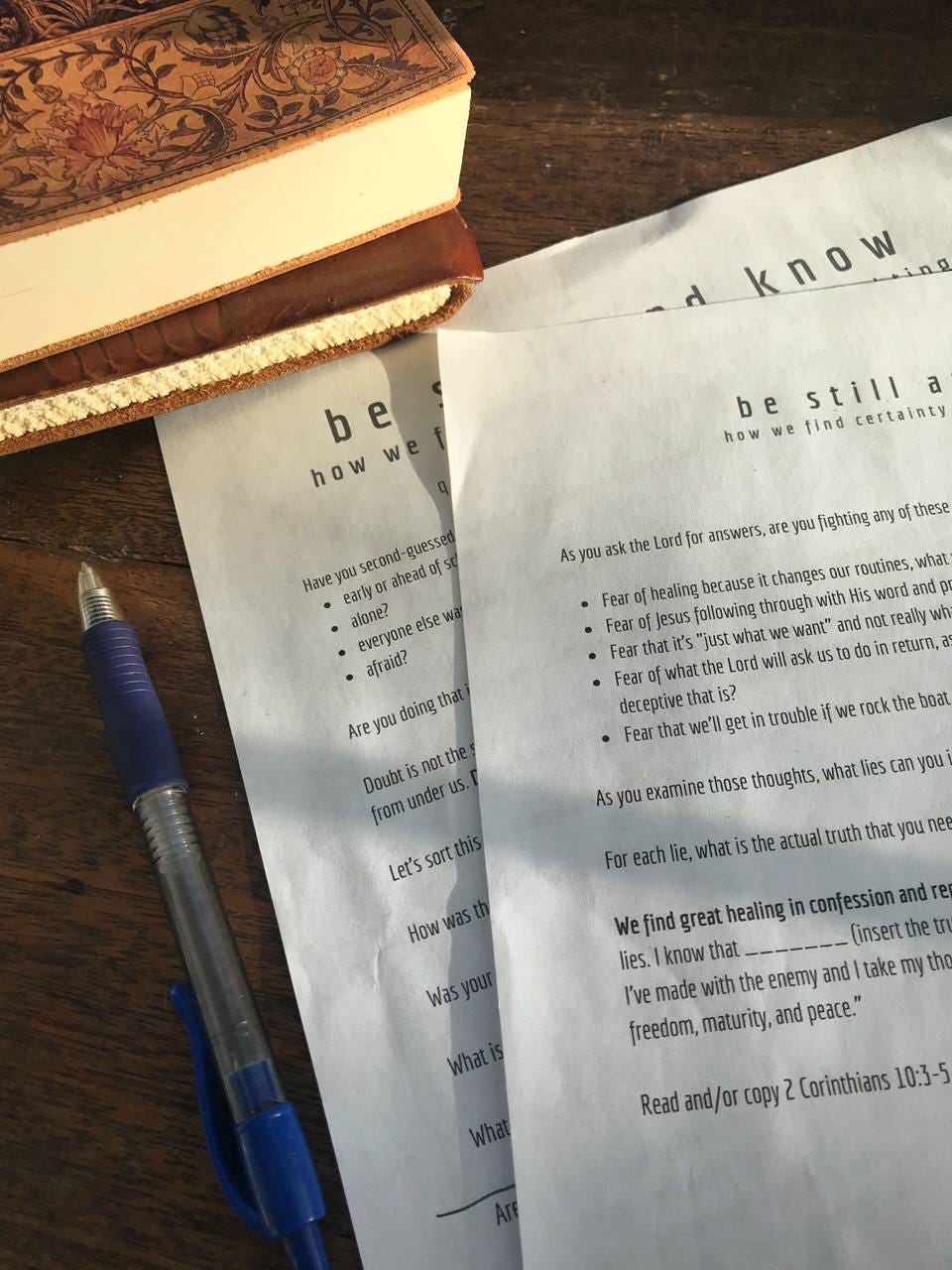
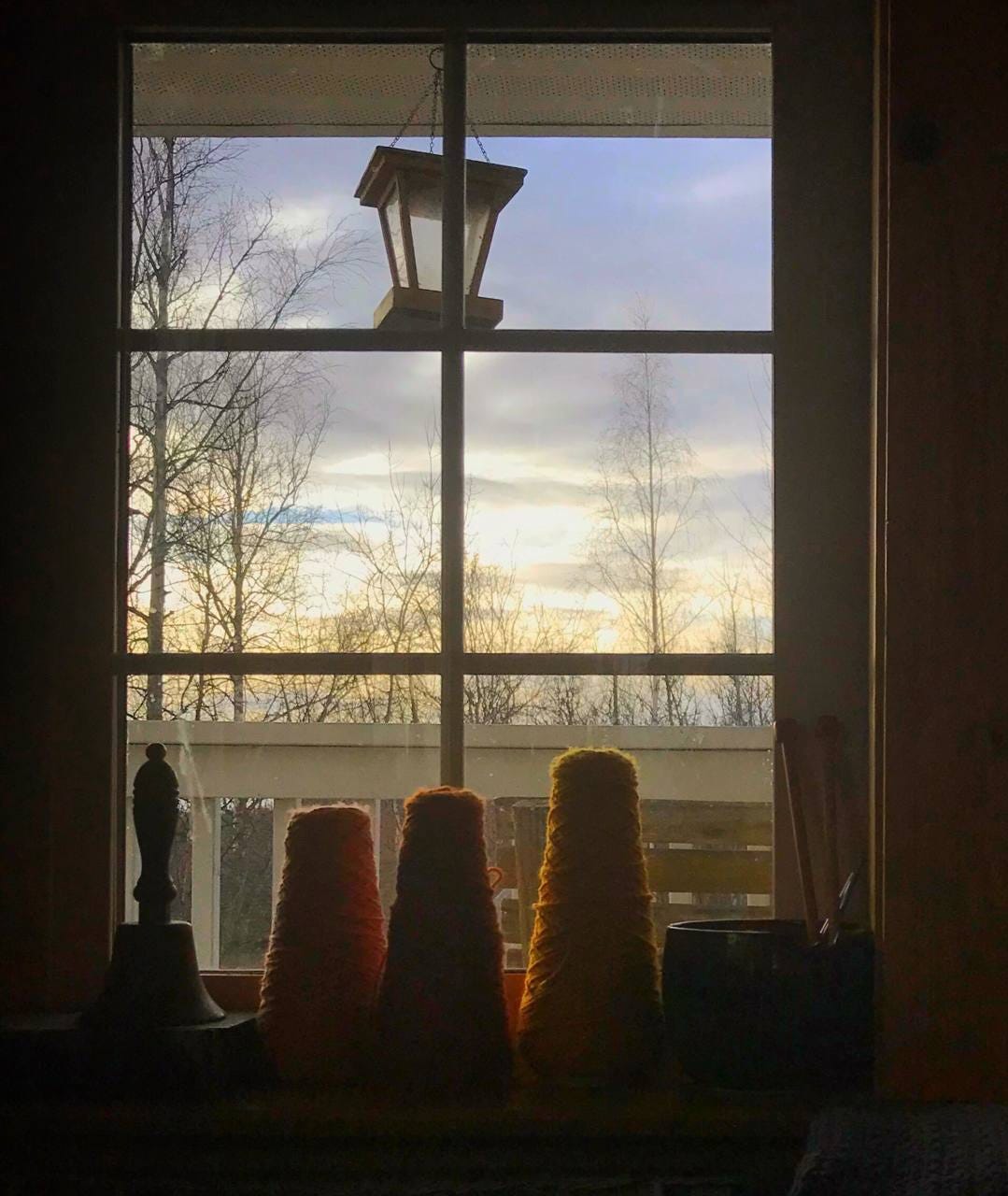
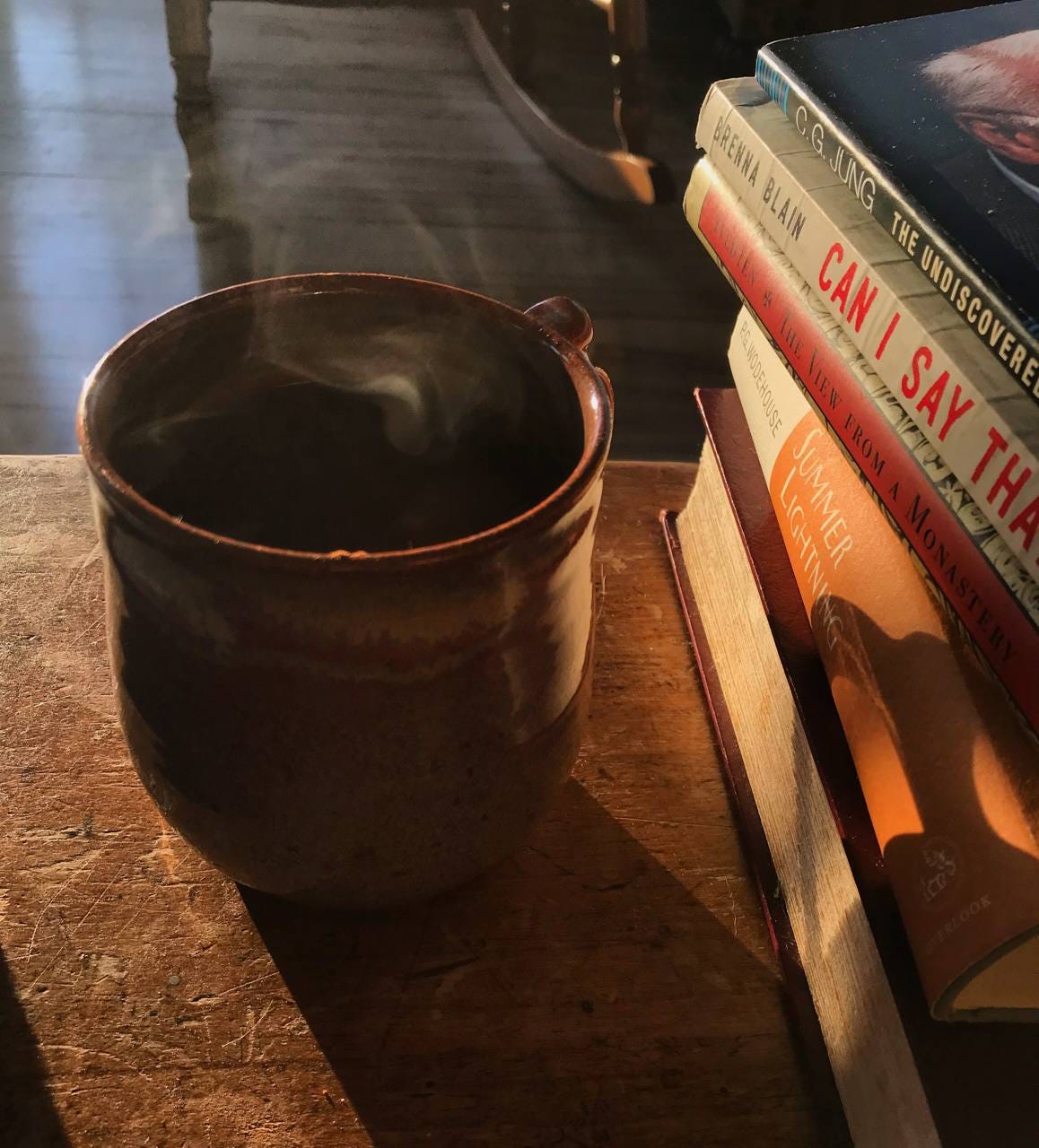
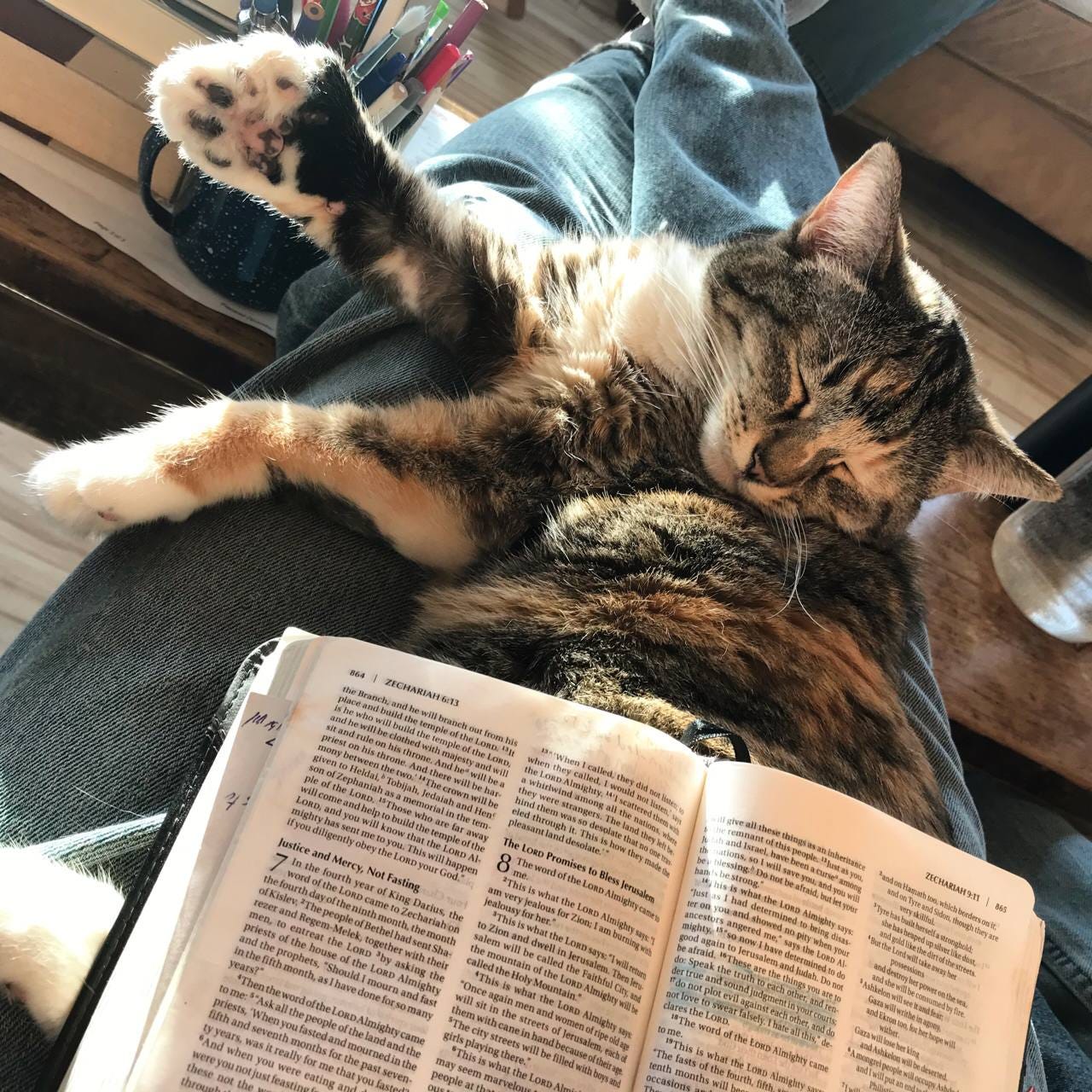
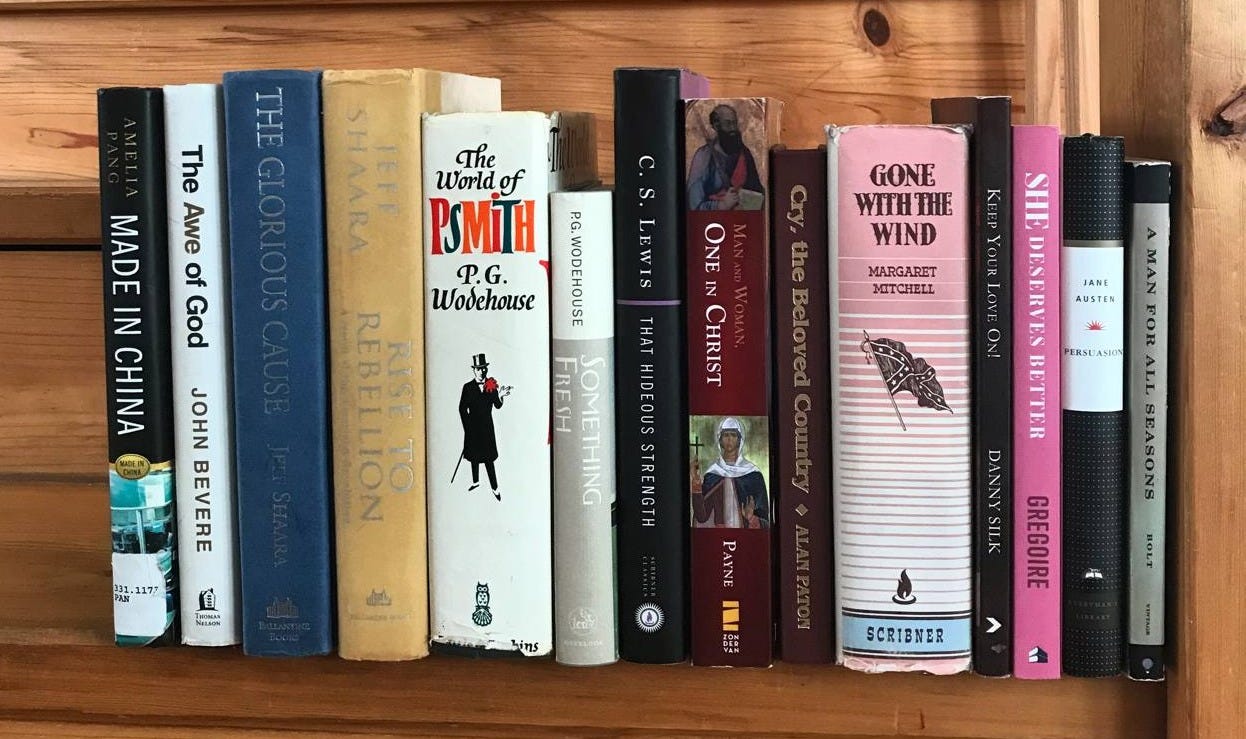
It is fall, so all I want to talk to you about is books, pencils, notebooks, crunchy leaves, cats, and coffee.

And garden harvests.

And knitting.

And the fog, don’t forget the fog…drifting through trees and wafting through the yard.

can't get enough: why the Lord is excited about the parts that bore us ||Shannon Guerra @ Copperlight Wood

It feels like I can’t get enough of these because fall in Alaska is a blip, a blink. But I actually do lean pretty hard into cozy stuff, and if you’ve been reading here for more than five minutes you already know that. So I’m not fooling anyone. I talk about them no matter what time of year…fall is just a good excuse.

You know how we overshare the things we’re really excited about? We rave about our latest projects, our big endeavors, the latest bee in our bonnet. If you come over and complement the granny square blanket I’ve been crocheting for the last few years, I will accidentally tell you all about the fiber content, where I sourced the yarn, and how I really need to find some grey worsted wool at the thrift store so I can finish it.

If you catch someone on one of their favorite subjects, they might test both your attention span and your good manners as you look for the nearest exit. Sorry.

So hey, speaking of testing our attention spans and looking for exits, I’ve been in Exodus again and I’m way past the interesting parts about Pharaoh, the plagues, and the deliverance. I’m in the long tail at the end that gets way less views, the part people are tempted to skip because it details fascinating things like priestly vestments (oooh) and curtains (ahhh) and pillars (gasp, you don’t say!) and fancy clothing which I promise you have never seen at Target.

Not your thing? Welll…could we perhaps interest you in some engravings and cubits? Some rings, or cords, or embroidered tunics?

No, no, we say, I’m so sorry but I can’t stay another minute, I’ve got to go, as though we’re trying to shut down a persistent telemarketer who insists upon reading us the script from a nonprofit we haven’t given to in 27 years.

Hmmm, vestments and ephods. Our eyes start to glaze over, the lines blur. These are not, for most of us, the eccentric passions that intrigue us.

We flip pages, wondering how much longer this section is. Are we there yet? But wait, there’s more: offerings and altars and basins, oh my.

Huh. We know this all must be important for some reason because it’s in the Bible…but this is odd, chin-stroking stuff.

What does it tell us?

The Lord is extremely excited about the Tabernacle.

And well, okay, everyone has their little quirks (I noticed there’s quite a bit of yarn mentioned in this section, so there’s that, at least) but why is all of this so important for us today, right now? What are we supposed to be getting out of it?

Fast forward, skip to the end, and here’s part of the answer:

Moses did everything just as the Lord had commanded him.

– Exodus 40:16

We start to see something important here. There’s obedience, and attention to details.

And then this:

In the first month in the second year, on the first day of the month, the tabernacle was set up.

– Exodus 40:17

We also see timing and completion. This wasn’t instant gratification; this was an intricate process with an attainable vision.

Skip a little more for the finale:

Then the cloud covered the tent of meeting, and the glory of the Lord filled the tabernacle.

– Exodus 40:34

And now we find the real obsession: It was His presence with us.

This is where the Lord would dwell to lead and guide His people.

Now, of course, we are the Temple, the Holy of Holies where He dwells.

And we are the place He’s extremely excited about.


In class, we’ve been talking about loving those around us. In so doing, we reviewed the five love languages and I’ve discovered mine are not what I always thought they were.

I always thought I was an Acts of Service person, but honestly, for 20-some years (or about as long as it’s been since we donated to that non-profit) I’ve just been an exhausted mom. Pleeeeease do something for me. I haven’t really slept since February, and the last time I had the margin to hear my own thoughts without interruption, the year started with 19 instead of 20.

That’s not really a love language. That’s motherhood.

If love languages could be identified by the things we’re really excited about, it would be so much easier to figure them out. Oh, you’re a Sports and Guns person? Awesome. My main love language is Memes, but Sushi is a close second.

For some of us, it takes a while to get to know ourselves, much less those around us. Sometimes we know those around us more than we know ourselves. Sometimes we forget who we are until we’re around the right people, reading the right things, hearing the right words, and we see ourselves clearly again in those reflections.

We think to ourselves, Oh, there I am…that resonates. That feels like home.

All this time, maybe we thought we were a Fluffy Polyester Blanket/Pumpkin Spice Latte/Hallmark Movie person because that’s what we grew up with. But then we bravely tried new things, and discovered we were actually a Plaid Wool Blanket/Chai Tea/British Lit person.

I did not know myself until I bothered to look deeper and wider than what I had always assumed and been familiar with.

When we look to the Lord’s leading instead of our own autopilot, we find out who we really are. We learn what we’re made of, and what we’re made for.


Back toward the end of Exodus, we see offerings, sacrifices, hins of wine (wait, what is a hin?), oil, and incense. I’m skipping quite a bit here; there’s also so much about giving, creativity, skill sets, and community.

And for those who have eyes to see, there’s also yarn.

SO. MUCH. YARN.

(Curtains of goats’ hair! Maybe that doesn’t sound appealing, but consider how it would read on an Etsy listing: “handmade drapery, woven from the finest angora…”)

It was not a casual thing to prepare the way for us to be in His presence. God is showing us that in Kingdom culture, we don’t sweep things under the rug, and He is dealing with the situation, the sin, the elephants in our rooms.

The Lord is uncomfortably assertive in addressing what we’d rather brush aside and ignore, because He doesn’t want any debris between us. He’s not into awkward pretending, fakey niceness, or passive aggression. He deals directly with us because He’s not insecure in our relationship and He doesn’t want us to be, either.

His presence is important because He is the right person with the right words for us. He wants us to know clearly who we are, and to see ourselves in Him, so we can know who (and Who) we’re dealing with.

For closeness and intimacy. To remove the barrier. Oh, there I am. That resonates. This is home.

All of the details, the sacrifices, the fire – it’s not just for us, but for our descendants, for generations to come, so they inherit strength and not weakness.

It shall be a regular burnt offering throughout your generations at the entrance of the tent of meeting before the Lord, where I will meet with you, to speak to you there.

– Exodus 29:42

It all looks ahead to the Lamb who fulfilled everything.

This is the extent He went to for us to be with Him – the hoops to jump through, the code that had to be cracked, the restitution required, the ransom paid, the pomp and circumstance necessary after the enemy’s infiltration.

Do you know the way in, or did you climb in over the wall? Do you know the password, or are you a spy, a thief, someone breaking in? Because we have certain ways of doing things, and they’re beautiful once you understand them.

And do you know that the requirements and trappings and accoutrements have already been paid for, and all that is left of us is to be the living sacrifice, resting in Him, because we are also now the Temple where He resides?

I appeal to you therefore, brothers and sisters, on the basis of God’s mercy, to present your bodies as a living sacrifice, holy and acceptable to God, which is your reasonable act of worship.

– Romans 12:1

There’s so much more to be found when we persist in what seems dull and we keep coming back anyway. Even the hem of the robe, fringed with bells and pomegranates, was a constant reminder of who He made us to be: the fruit and the sound, our purpose and our worship, His creation and our works, the nourishment and the music of those who’ve partaken in it.

This is not a one-way street or solo endeavor, He’s telling us. There is partnership intertwined all throughout this and you’ll be reminded of it with every step you take as you hear the bells ringing.

The Lord is always speaking, whether or not we are currently understanding or even listening. He’s not silent; we’ve just been numbed to subtleties and bored by anything that isn’t shiny and takes longer than five seconds. How much farther? Are we there yet? we wonder, as we turn the sticky pages.

We’ve been there all along. We just needed the eyes to see: the things He gave us to love, the reflection of Him everywhere, the stuff He made us to get excited about, the fog drifting through the trees.

So we keep coming, because He keeps pursuing. We keep coming back, because He never left.

We keep listening, because He never stopped talking. We love because He first loved us. And we seek His presence because He first sought ours, and for some reason He still can’t get enough of us.

quick reality check: or, Grit chapter 7

Not everything that happens in the world is the Lord’s will.

But we hear the opposite fairly often, from the pulpit and books and popular podcasts. I once heard a speaker say he believed that everything in the world that ever happens is all part of God’s plan and purpose for our lives.

But that’s not true; it’s completely unbiblical. It’s also a slippery way of accusing the Lord of perpetuating evil.

quick reality check: or Grit, chapter 7 ||Shannon Guerra @ Copperlight Wood

Yes, sometimes He allows things…but consider how much He prevents that we are completely unaware of.

Yes, He takes what the enemy means for evil and He turns it for good (see Romans 8:28)…but no, that doesn’t mean that everything that happens in the world is His will.

God gives humans free will. Sometimes humans do evil things that the Lord never sanctions.

To say that everything that happens is part of God’s will and plan is to tell a rape victim that the Lord is okay with what happened to her. It is to tell an abused child that they need to suck it up and deal because this is part of the Lord’s plan. It is to tell the grieving parent who lost their child to cancer or a drunk driver that this, too, is the Lord’s will.

Someone who says those things has not spent much time with God or in His word. Those beliefs (which are actually pious-sounding accusations) are completely against His character, and lies from the enemy.

Here’s what the Word says He is:

The Lord is gracious and merciful,
slow to anger and abounding in steadfast love.
The Lord is good to all,
and his mercy is over all that he has made.

— Psalm 145:8-9

The Lord is not slow to fulfill his promise as some count slowness, but is patient toward you, not wishing that any should perish, but that all should reach repentance.

— 2 Peter 3:9

Do not be deceived, my beloved brothers. Every good gift and every perfect gift is from above, coming down from the Father of lights, with whom there is no variation or shadow due to change.

— James 1:16-17

This is the message we have heard from him
and proclaim to you, that God is light,
and in him is no darkness at all.

— 1 John 1:5

So if God doesn’t want evil to happen, why doesn’t He prevent it?

He often does and we are completely oblivious. And also, He also put us here to help prevent things, too: We are to partner with Him in this work. We are to act and intercede to prevent evil – not to condone it or shrug our shoulders and say it is His will.

He is a good father, not an abuser. He loves you. He has a good, beautiful, holy, joy-filled plan for your life, for this season, and for the situation you’re facing.

Sometimes we come up with good reasons for why we’re going through a particular trial. Since we know God has a reason for everything, and everything works for good, we convince ourselves that this situation must be part of God’s plan, since He loves us very much and wants us to suffer miserably for His sake.

Really. Many of us grew up believing a bunch of half-truths, and they center around that one.

When we come up with reasons for why we’re going through something, we sometimes end up agreeing with the circumstance, which often was never God’s will at all. Sickness is not His will. Abuse is not His will. Trauma is not His will.

Just because He can make good come from anything — and He does, remember Romans 8:28? — it doesn’t mean that He wanted the bad thing to happen in the first place.

You keep mentioning that chapter, Romans 8. What is it, anyway? Okay, here you go:

And we know that for those who love God
all things work together for good,
for those who are called according to his purpose.
For those whom he foreknew he also predestined
to be conformed to the image of his Son,
in order that he might be the firstborn among many brothers.
And those whom he predestined he also called,
and those whom he called he also justified,
and those whom he justified he also glorified.
What then shall we say to these things?
If God is for us, who can be against us?

— Romans 8:28-32

We don’t have to make excuses for our situations, or give good reasons for them, or try to explain them away. We might be in a really crappy season that has no excuse other than that we fight a real enemy in a fallen world, and this place is a cleanup operation.

But we also serve the one real God who loves and cares for us, and equips us, and covers us with His righteousness and favor, and calls us His own. He has good plans for us, and that’s what we need to agree with.


This is chapter 7 of Grit: Kindling to Relight the Wounded and Weary. It is especially for those who have been burned, burned out, disappointed, dealing with hope deferred, and needing to get your fire rekindled.

grit: kindling to relight the wounded and weary

trying too hard: the difference between giving up & surrender

It’s fall, so if you come to our house in the next few weeks, I’m warning you, there will be quail in the main bathroom again. But they don’t stare or gawk, and you can pretty much do your business in peace.

Our last hatch of the year was at the end of August and for the first time, we had to help a few of the quail out of their shells. And if you know about hatching chicks of any kind, you know you’re not supposed to do that.

trying too hard: the difference between giving up & surrender | Shannon Guerra at Copperlight Wood

Three of them were stuck, though. They had done most of the work themselves already, but the incubator’s humidity was off and it had been too long; they were going to die anyway. Their shells were just too dry and wouldn’t crack the rest of the way open…so I helped. One at a time, I took their warm eggs from the incubator and held them in my hand. With fear and trembling, I slid the tine of a fork into the widened crack, widened it a little more, and popped them back in the incubator.

They made it, but two out of the three really struggled – and we did, too. Their toes would not straighten out, so we painstakingly splinted them with bandaids. They had splayed legs (common even in otherwise healthy chicks) so we popped them in small jars for teacup therapy. We tried every trick we knew, and learned a few more from the internet.

By day two, one of the chicks was better but it was clear that the other one’s leg had stiffened wrong and it was still walking on curled toes. It seemed happy enough for the time being, even though it struggled to get around like the other chicks who were zipping all over the place.

How do you put something out of its misery when it doesn’t seem miserable yet? Do you wait for the misery to come, or do you keep praying for a miracle? There are much bigger livestock to apply this too, and I’m grateful we only deal with poultry.

The other chick seemed fine until day three, when it somehow got caught under the food dish and twisted itself all up. It could only spin in circles, could not get right side up again, and was obviously miserable. We couldn’t wait long after prayer for a miracle, so off that one went, too.

And here’s what I kept wrestling with that seemed to vocalize so many other struggles: Do we keep praying and trying, or do we give up?

At what point do we know we’ve really given it all we’ve got?

And, are we really giving up at that point, or are we surrendering?

Which brings me to one of our annual meetings for Reagan, our adoptive daughter. She is nineteen, with many special needs, and she can be finished with school, or she can have up to two more years. It gives us some structure for her life, so we’ve taken it a year at a time, and decided to keep going for now.

But that means we also have to decide what to do about math.

Math has always been so hard. Not just in the normal sense because math is hard for some kids, but haaard because she doesn’t have any comprehension of so many concepts. Money, spatial relations, telling time, they all mean nothing to her. Even simple addition and subtraction is a fight, and whatever aspect we don’t do all the time, she forgets.

So the spiral method of learning – when you cycle through various concepts and eventually revisit them to review before moving on – has never really worked for her. By the time the same concept comes around, she has to learn it all over again. And often, she doesn’t want to. So it’s a battle, and after 13 years it feels like one that’s very much not worth fighting anymore.

She has struggled, and we have, too. We’ve tried all the tricks. We keep explaining, we keep praying for a miracle.

And aside from math, she’s happy. She doesn’t care what grade she’s in or that her siblings can zip all over the place around her.

Like I said a minute ago: Do we keep trying, or do we give up? At what point do we know we’ve really given it all we’ve got?

But also: After 13 years, is it really giving up? Or is it surrendering, so we can move on to other things? Because the line between those feels super blurry.

Sitting across from our contact teacher, I finally ask, “Does she have to do math? I mean, it’s been thirteen years. She’s been in first grade workbooks for the last eight or nine of them, and cannot get through them. Can we just be done?”

Exasperation and tears. It feels so much like failure. All this time, and we could not get her farther than this.

But on the other side of the desk, our teacher nods.

“Yeah, you can be done.” More tears. Because as much as it feels like failure and finality, it also feels like relief.


What is the difference between surrender and giving up? I’m still sorting this out, but I think a big part of it has to do with control. I don’t mean controlling others, or even self control, but how much control we actually have over an outcome. Because sometimes (often) we take an unhealthy amount of responsibility onto ourselves for those outcomes.

We influence, yes, but we don’t cause other people (and certain situations) to change. We pray, we love, we act…but people make their own choices, they decide their own character. And when we’re working harder than they are for a better outcome, that’s a good time to surrender it.

Many sincere, dedicated believers struggle with tremendous confusion about when it is biblically appropriate to set limits.

– Cloud and Townsend, Boundaries

We invest affection, love, time, prayer, creativity, and effort into these situations. And when it all comes to nothing – or at least, seems like nothing, in the long run – it all feels wasted.

For the ignored friend, the parent of the prodigal, or the spouse who is neglected, abandoned, or abused – at what point do we quit trying so hard, quit striving for the change that someone else can only choose for themselves? We never stop praying, but when do we stop reaching out, trying so hard, waiting for the other person to mature and grow?

Powerful people do not try to control other people. They know it doesn’t work, and that it’s not their job. Their job is to control themselves….A powerful person’s choice to love will stand, no matter what the other person does or says.

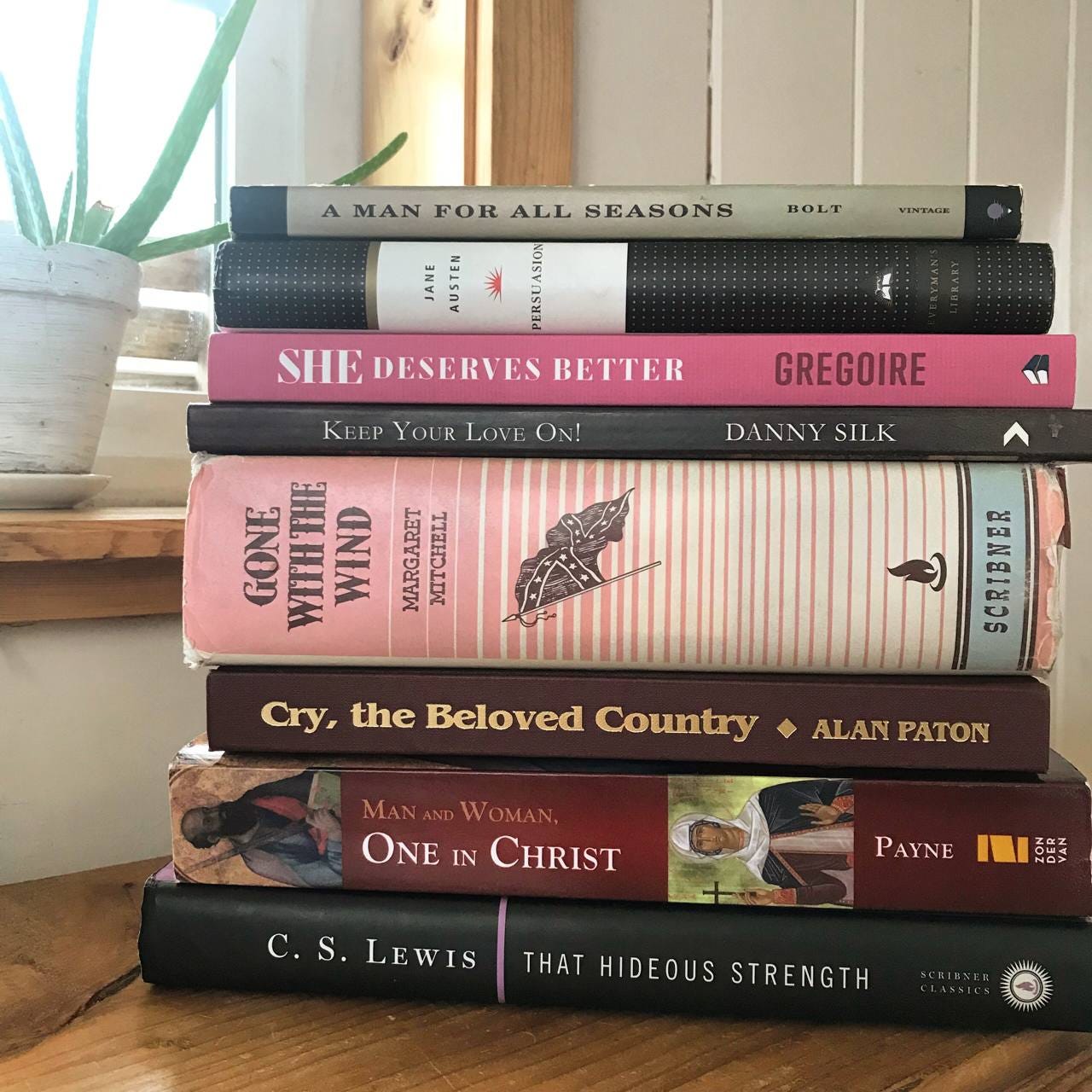
– Danny Silk, Keep Your Love On

We can’t just wait for them to change. Sometimes we use waiting as an excuse to not make changes of our own, but we have to be responsible for the changes we should make, and responsive to the things the Lord is telling us to do.

With fear and trembling, sometimes we hold these situations like dry, not-quite-hatched eggs, and we carefully try to help them open. And sometimes it works. But also, sometimes it doesn’t. After we have obeyed, the outcome isn’t up to us.

Hear me, friend: God does not hold us hostage for miracles. He does not need us to strive for them.

And on the other end of things, He does not depend on our steadfast maintenance of the status quo to buy Him time, either.


Circumstances are one thing, but relationships are even stickier. What do we do when someone we love repeatedly shows how little they care, or they seem to thrive in creating chaos, or they indulge their immaturity by hurting you in passive aggressive ways? It’s hard to just move on and go about the daily tasks of life, to put on the mask and pretend things are fine, because that’s what this other person is doing and you know how wrong it is.

Some relationships we just have to let go of. Many friendships are for certain seasons and then they fade away. But certain relationships – like family members, or people you have some kind of ongoing work, ministry, or community partnership with – don’t just fade away. Somehow in these situations, we have to figure out how to love steadfastly, in the way that covers the multitude of sins, because of their proximity.

This kind of love brings us to endurance. We can’t change the other person, and we often can’t change our circumstances or proximity. So we do have to stick it out, and that can feel a lot like failure, giving up, and lowering our standards. This is so far beneath what I wanted this situation to look like. Ugh.

So we pull out all the tricks we know for this, too. We pray. We forgive. We set boundaries. And sometimes we wonder why we have to settle for so much less than what God surely intended for this situation.

It is hard to forgive and even want to keep trying when they use that proximity to make a show of how much more they care for others than you, and they make sure you see it. It is hard to overlook, to keep showing grace, to keep your cool inside your own boundaries. And boundaries, for the record, are limits placed out of love and protection. They are not a cloak for rudeness couched in a desire to avoid responsibility.

As we surrender the outcomes that are out of our control, are we really settling for less? Or is God training us for more?

Because His character hasn’t changed. His will for us and the other person has not changed.

Are we really lowering our standards? Or are we moving on so we can fight other battles – the ones we have a hand in winning?


One of the battles we continue to fight with (and for) Reagan is communication. She is verbal but most people can’t understand her because she slurs, blends words, skips words, and generally speaks in that toddler-like manner that only parents and siblings can decode.

So here’s where we stand our ground: Even when I understand what she’s saying, if it’s not clear, I usually have her repeat it correctly.

“Slow down and say each word so I can understand you,” I often tell her. There will come a day when she needs someone else to understand her, and if we let her get away with garble, she will regress further.

I sat next to her during worship at one of our community-wide gatherings a couple weeks ago, and prayed for the millionth time for healing in her. And because it has been a million times (but who’s counting) I also prayed for healing in my own heart over the hope deferred, the things I cannot change, the things I don’t know how to change, the loss of what seems like things should have been.

Hope deferred makes the heart sick, but a desire fulfilled is a tree of life.

– Proverbs 13:12

I have wondered how sick my heart is, how skewed my perspective is from living so close for so long and not seeing certain answers. I have fought the battle of faith against futility, seen the shimmer of horizon through closed eyes in prayer, and knew it wasn’t a vision, but tears.

Rejoice in the Lord always; again I will say, Rejoice.

Let your gentleness be known to everyone. The Lord is near.

– Philippians 4:4-5

The fight is not about what I can change in her, but in what I am letting God change in me.

It is not about lowering my standards or expectations, but about seeing rightly the battles that I can and need to be fighting.

It is about seeing how other desires are fulfilled, and focusing on the tree of life.

Do not be anxious about anything, but in everything by prayer and supplication with thanksgiving let your requests be made known to God.

And the peace of God, which surpasses all understanding, will guard your hearts and your minds in Christ Jesus.

Finally, brothers and sisters, whatever is true, whatever is honorable, whatever is just, whatever is pure, whatever is pleasing, whatever is commendable, if there is any excellence and if there is anything worthy of praise, think about these things.

– Philippians 4:6-8

The leaves are falling outside and the season is going fast, racing toward the long winter. And we grieve over the loss of time, the speed of time, the lost opportunity of what could and should have been. In the storm and shadow of these deep struggles, our efforts can feel like such dim lights in such darkness. Our small influence, our private lives, our humble gifts, what can they do amid the raking waves in the present, violent tumult?

In that moment during worship as I looked down and watched my tears hit the hardwood floor, I knew with certainty that next to me Reagan was just giddy over the volume of the music. Delighted in the moment, flapping her hands, utterly apathetic about how I was even at that moment fighting for her.

Jesus, receive the reward of your suffering. We sang it that night, and we live it every day as we give it all we’ve got, and then surrender.