There are no regimented minute-by-minute agendas here. Just a loose schedule with firm standards, attempting to run a tight ship in choppy waters. It’s a little nuts.
I’m learning a lot about not being in control…about doing things differently than we’re used to.
It’s not an overnight process for me; there’s lots of trial and error for this detail-oriented INTJ. As other things speed up and complicate in life, other things have had to slow down and simplify…and my conversion from Type A to Type B is still in the highly experimental beta stage.

But there’s progress: I broke up with Martha Stewart. Her photos are gorgeous, her style is impressive, but I think meals categorized as “quick and simple dinners” should require less than 35 steps, 2 food processors, and a therapist.

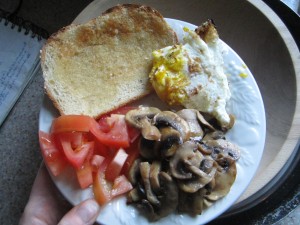
When I actually make myself a lunch instead of just microwaving leftovers, it’s pretty simple fare. Veggies, toast, an egg…nothing fancy. But I crowd the mushrooms and can only take a couple of photos of the process before I make a mess and wreck the egg, thereby reminding myself why I write about peace in sentence fragments and stick to making coffee, leaving the world of food blogging to the capable hands of those who have more patience than I do.
We do school differently now. After teaching our first three kids to read by age six, teaching preschool to our new 8-year-olds who are learning letters and sounds and shapes with our four-year-old is new territory for me.
Writing was a trying business to Charley, who seemed to have no natural power over a pen, but in whose hand every pen appeared to become perversely animated, and to go wrong and crooked, and to stop, and splash, and sidle into corners, like a saddle-donkey.
– Charles Dickens, Bleak House
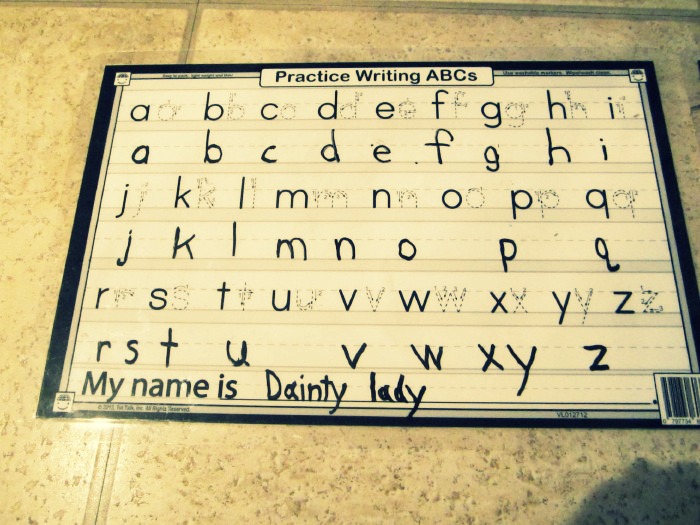

The milestones are different, the challenges are different, and my involvement with them is different than it has been with any of our other kids.
Sensory issues. Institutional autism. Trauma. Attachment issues. Fetal alcohol spectrum.
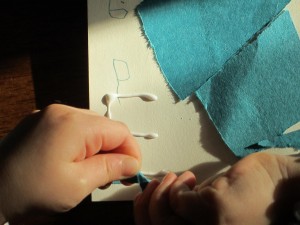
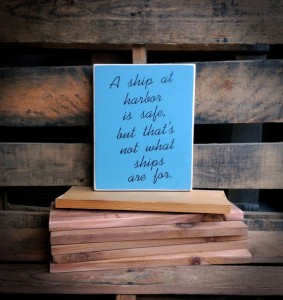 photo courtesy of Unchained
Or, commonly abbreviated: SPD, IA, PTSD, RAD, and FAS. It’s quite a cocktail, made more complex by the fact that some conditions are typically dealt with in ways that are counter-productive to others. For example, with attachment issues, you do ABC, and never, ever do XYZ…but with FAS, you usually do XYZ because ABC doesn’t even apply. Awesome.
And for a child who has both, and more? Fortunately, we have 20 more letters of the alphabet to tinker with in trial and error. Nothing fancy, try not to make a mess, and for crying out loud, don’t worry about wrecking the egg. Priorities.
Which means I’m letting go. Teaching Andrey and Reagan in the normal way usually becomes a mutinous game of manipulation – if I point to a red circle and ask them what it is, they’re just as likely to give me the wrong answer on purpose (“yellow square”) as they are to give me the right answer on accident.
So preschool, for now, is sneaky.
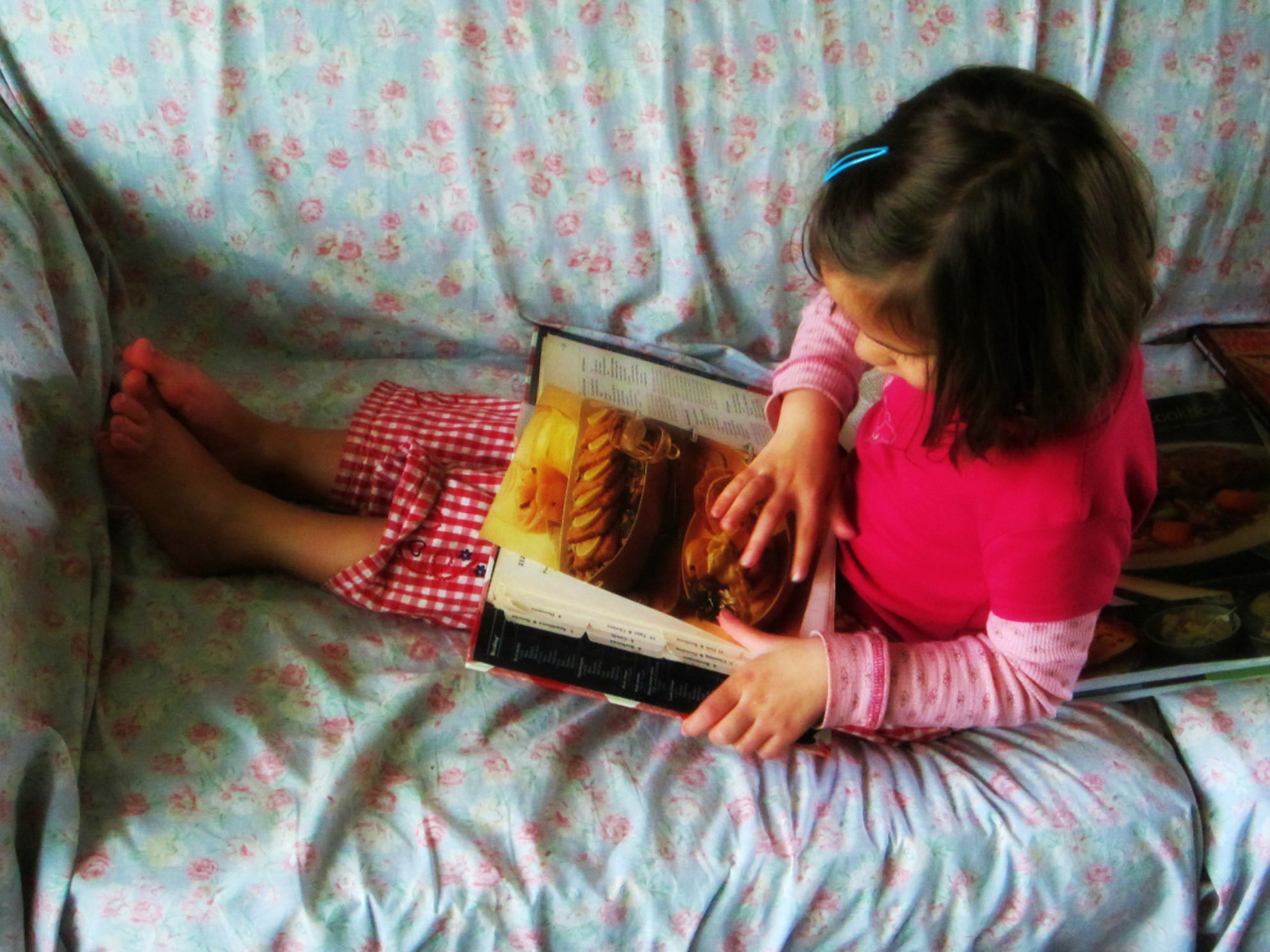
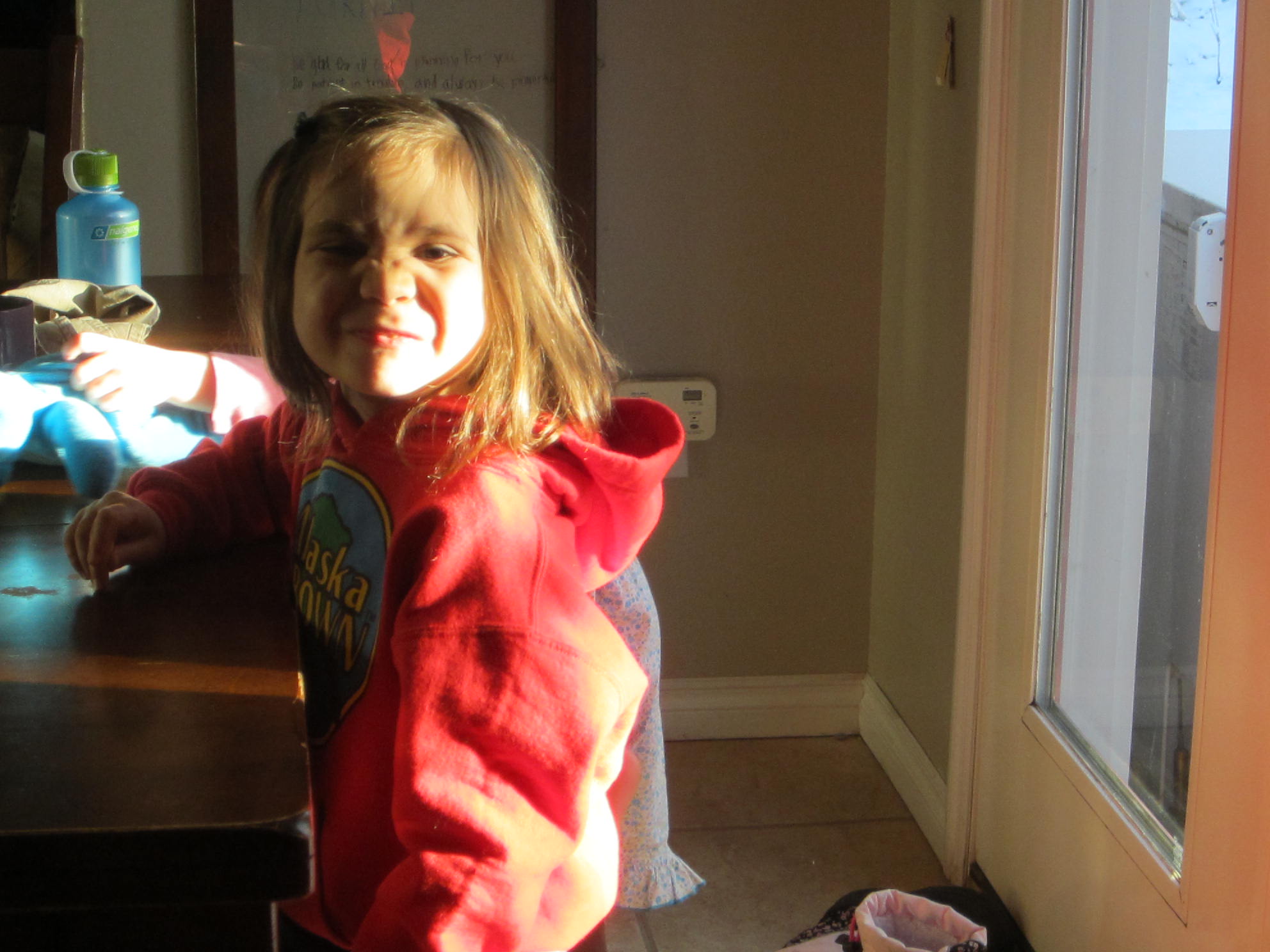
It looks like me teaching Chamberlain while they are playing nearby or looking at a book.
In reality though, they’re eavesdropping. They’re watching closely, listening in, often pretending not to. And they’re learning, in spite of the alphabet soup of diagnoses they could be labelled with.
Sometimes they join us to play with letters and numbers and such. I’m learning to haul up the anchor and move on after just a few minutes while they’re still cooperating – if I don’t, three seconds later there is testing, manipulation, and mutiny, and we’re sucked into the vortex again.
Keep it short, keep it happy, keep it simple. And then change course, before it’s too late.
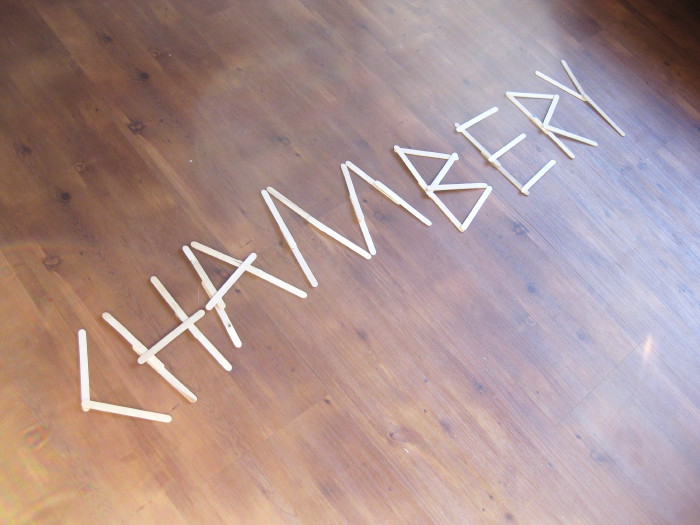
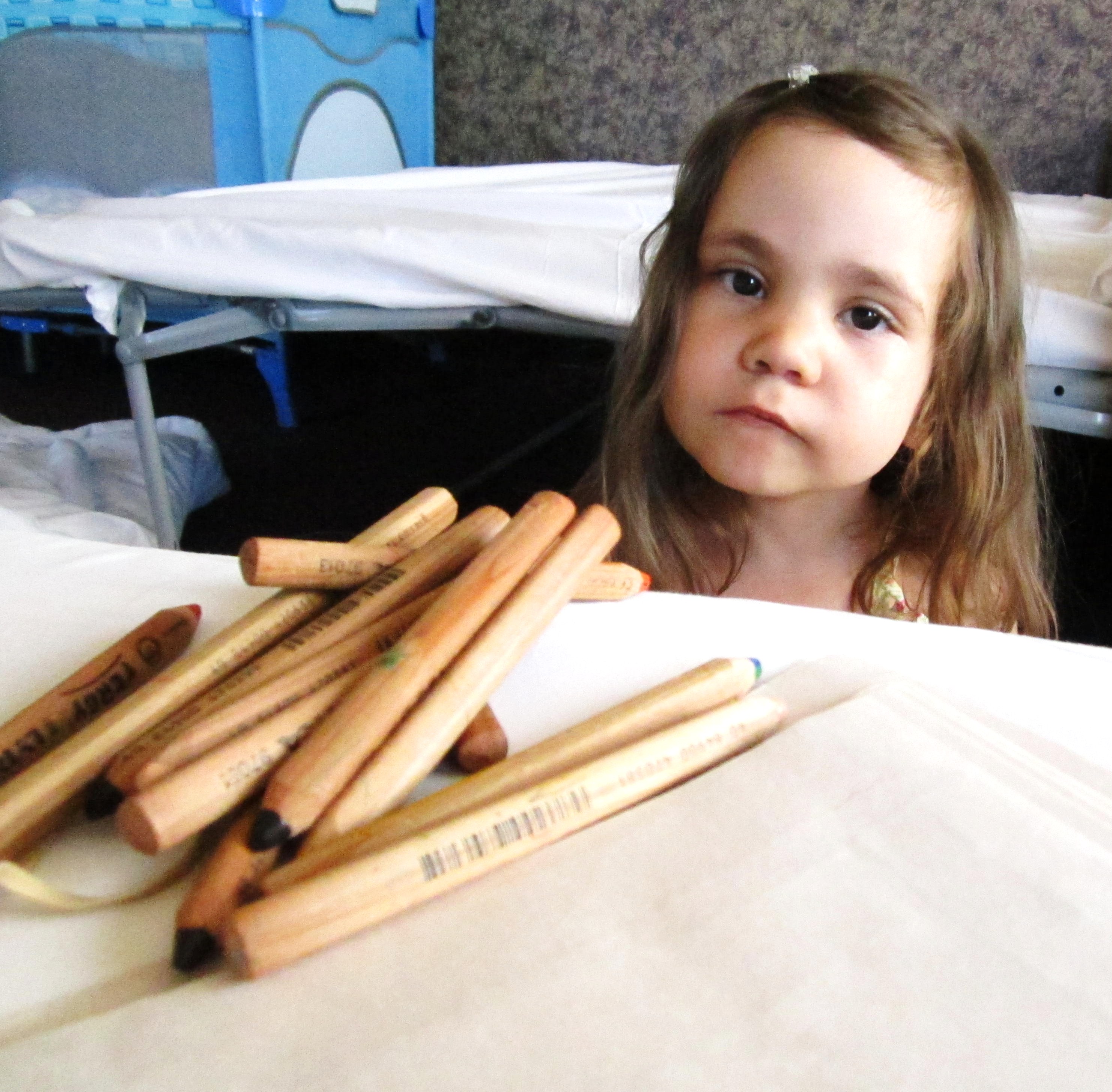
We write letters on little sticky notes. We write letters on the windows with dry erase markers, and then cover them with the matching sticky notes.
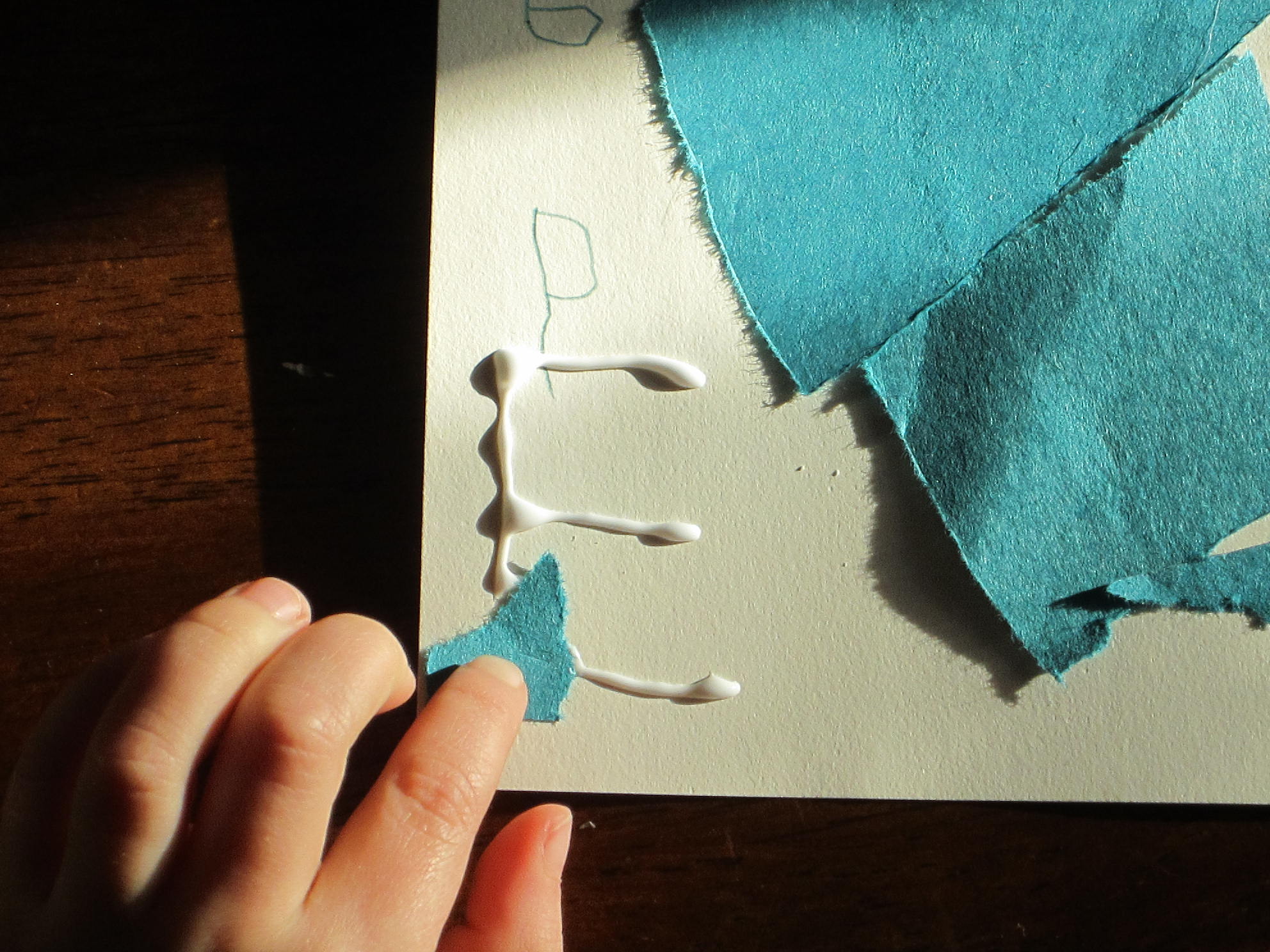
We write big letters in glue, and cover them with tiny pieces of torn paper (learning letters + sensory play + motor skills = big win).
We color and scribble and fill up notebooks with lines and curves that often don’t make sense. And assessment doesn’t come in questions and answers – it comes in the turning of the tables, when we eavesdrop on their play and conversations with each other.
Do they know colors? Heck yes – just listen to them argue over lego pieces. Can they count? Depends on who’s asking – but listening to them play Hide and Seek reveals quite a bit. There’s progress, and the simplicity keeps me sane.
Of her childhood, Helen says herself that, save for a few impressions, “the shadows of the prison-house” enveloped it. But there were always roses, and she had the sense of smell; and there was love – but she was not loving then. When she was seven Miss Sullivan came to her. This lady had herself been blind for some years…
It is not too much to say that imprisoned and desolate child entered upon such a large inheritance of thought and knowledge, of gladness and vision, as few of us of the seeing and hearing world attain to.
Like all great discoveries, this, of a soul, was in all its steps marked by simplicity.
– Charlotte Mason, vol. 1, Home Education
I need Him to remind me often about why they choose to stay in the dark, and why He chose us to be their family. This lady had herself been blind for some years…
Learning is not merely the two-way street of give and take between teacher and student anymore.
It’s an ocean to navigate, and the familiar constellations are upside down in this new hemisphere, along with new ones we’ve never seen before. We yield to the Captain who calms the storm…and there’s fresh coffee in the galley.