
On my way to jury duty but otherwise minding my own business, I drove through the roundabout and saw flashing lights in the rearview mirror.
I already have complicated feelings about roundabouts.
It’s been thirty years since I’ve been pulled over, and in my defense the legal speed limit at the time was not what it should have been and they later raised it, thankyouverymuch. So I wondered if this officer was just passing me on his way to someone else.
But no, he pulled over right behind me. I rolled down my window and looked out.

As he walked up, he was quick to reassure me. “Hey ma’am, I pulled you over because your brake lights aren’t working. I followed you for a while and neither of ‘em went off at the roundabout, it might be a fuse issue.”
“What?” Stunned relief. I passed him my ID and asked, “Is this a good time to tell you one of my headlights is out, too? Because that’s why those aren’t on.” I pointed at the new part Vin had just picked up the day before, waiting in the dashboard pocket.
He smiled; just a warning, no citation. Headlights go out, fuses trip, and life happens. We all have bigger fish to fry, and I even made it to jury duty on time with a couple minutes to spare.
Life is a series of obstacles and other imperfect circumstances: disappointments and frustrations, emergencies and trauma. We need grace and mercy in the roundabouts, and wisdom to know how to move through them.
I have given citations when I should’ve given a warning. Also, I have given warnings when a citation would’ve been much better. We need so much grace and wisdom.
Our family terrain – and probably yours, too – is filled with obstacles. Boulders, caverns, and sudden drop offs, and I don’t know how to bridge them, move them, go around them. While we navigate our own current roundabouts, we have friends dealing with medical crises, custody battles, kids or spouses going off the rails, leadership wounds, and major financial hurdles. So many obstacles to press through.
And while there are plenty of armchair quarterbacks with cheap advice that costs them nothing because they’re not responsible for actually implementing it, there is a real shortage of easy answers that lead to quick fixes. These situations have moved far beyond your basic roundabout; they look more like someone on the DOT took a drunken spree with a steamroller and attempted a series of figure eights.
Here’s what I’ve been confronted with, and the answer probably seems obvious: Will God still meet us when life is so messy? So different from everyone else’s? So off the map, and into uncharted wilderness?
Yes. Of course He does. He is, He will continue to do so.
(I am not referring to deliberate sin or a seared conscience. I am referring to living with the effects of what is often someone else’s sin, or the consequences of our own previous sin, or just the messiness of a fallen world and the cleanup operation we live in.)
We find ourselves in the midst of paperwork, requirements, and systems that we never wanted to be part of. Our house – and some others we know – have security measures in certain places they shouldn’t have to be. We don’t want them there any more than other people want to have to file for a restraining order or other legal protection.
And yet, here we are. Messy times.
But when life is messy instead of straightforward and simple, the enemy often convinces us that we are less than, unworthy, disapproved of, or unable to meet God, minister, or even just do life the way others do because our life does not look the way we thought it was supposed to. Somehow, it feels like we have to clean this up first – which of course is an impossibility. If we knew how to fix this or move past it (dynamite, anyone?) we would’ve done so by now.
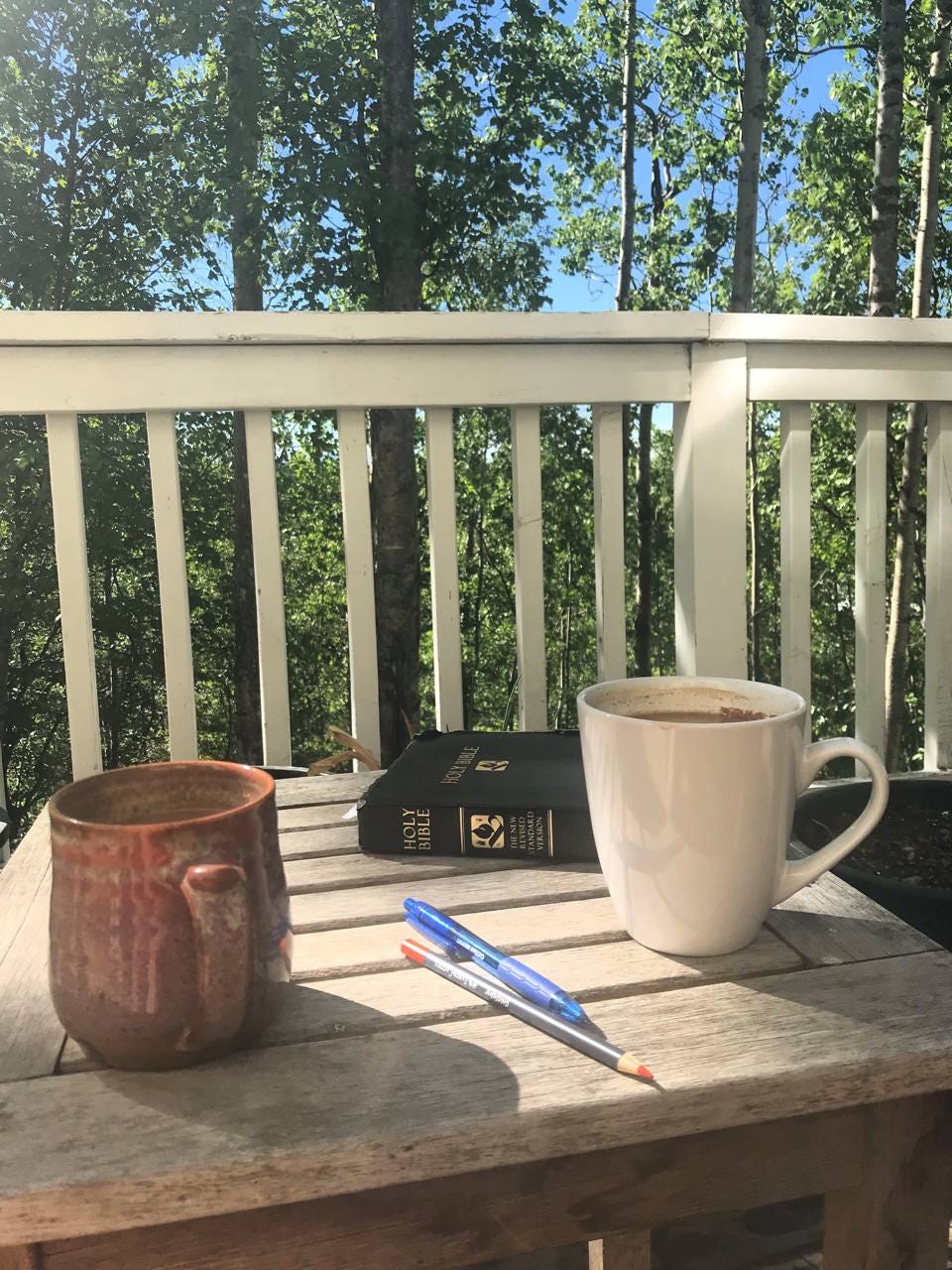
These roads have not been straight and smooth. People and life events do not always progress predictably, meet all the prerequisites in perfect order, pass all the tests with high scores. Some are late bloomers, or got a rougher start, and have more roundabouts to navigate.
We are learning about grace and persistence. And also, braking and yielding.
Because God is wanting us to learn about what success really looks like.
So let’s talk about Solomon, and his imperfect start.
Solomon, in many eyes, was a picture of success. He’s known for wealth and wisdom. But that is only part of his story.
Let’s go back to a scene from the beginning:
The people were sacrificing at the high places, however, because no house had yet been built for the name of the Lord.
Solomon loved the Lord, walking in the statutes of his father David, except that he sacrificed and offered incense at the high places.
– 1 Kings 3:2-3
Like both kings before him, Solomon was not a perfect leader, and he began with some obstacles. “The people were sacrificing at the high places” – well, that’s bad, because it alludes to idolatry, but the verse says it’s because no house was built for the Lord yet. So this sort of looks like a “you do what you gotta do” situation.
The next verse says that Solomon loved the Lord – so far, so good – and that he walked “in the statutes of his father David” – uhhh, this could be a red flag. It’s the only place in the Bible that this phrase is used, and it’s significant that it doesn’t say Solomon “walked in the laws of the Lord” as it does elsewhere. If you know the full story of David (not the romantic flannelgraph version, but the truth that involves murder, rape, and neglect of responsibility), you know where this is going. Too many horses, too many wives, yada yada.
But at this early point, at least, unlike the two kings before him, Solomon wasn’t an imperfect leader due to his own character flaws and poor decisions. He was in an imperfect situation. This is what he inherited, what he walked into.
Or, you could say, this was the iniquity he lived in.
Wait, what?
We tend to think of iniquity as just meaning “sin” but it’s not quite the same as that, and we’ve talked about it before. To sum up, iniquity is more of a cultural or generational bent; a learned misbehavior. This is just the way things are, the way things are done; this is what we’ve always known and been taught…and it’s not necessarily the right way.
If it’s not good and true, it’s iniquity. We didn’t necessarily choose this imperfect situation; it’s what we walked into, grew up in, or found ourselves in the middle of, beyond our own choosing. It’s not right or okay, but it’s also not necessarily deliberate…and it needs to be dealt with.
But it’s not outright rebellion or disobedience, which is what we generally mean by “sin” (but more accurately termed transgression). So we deal with iniquity differently. And so does God.
At Gibeon the Lord appeared to Solomon in a dream by night, and God said, “Ask what I should give you.”
– 1 Kings 3:5
Solomon was just doing what he could with the circumstances at hand. It wasn’t ideal. It looked bad. And yet God still met him there.1 God didn’t care about appearances, because He knew what was going on in Solomon’s heart.
God is not waiting for us to perfect our circumstances to meet with us and work through us. He’s not accusing us of surface-level improprieties; He’s not insecure and worried that we’ll make Him look bad. He knows our hard situations (read: mindsets, family roots, patterns of thinking, systems embedded in culture) and He is still willing to meet us. In fact, He wants to.
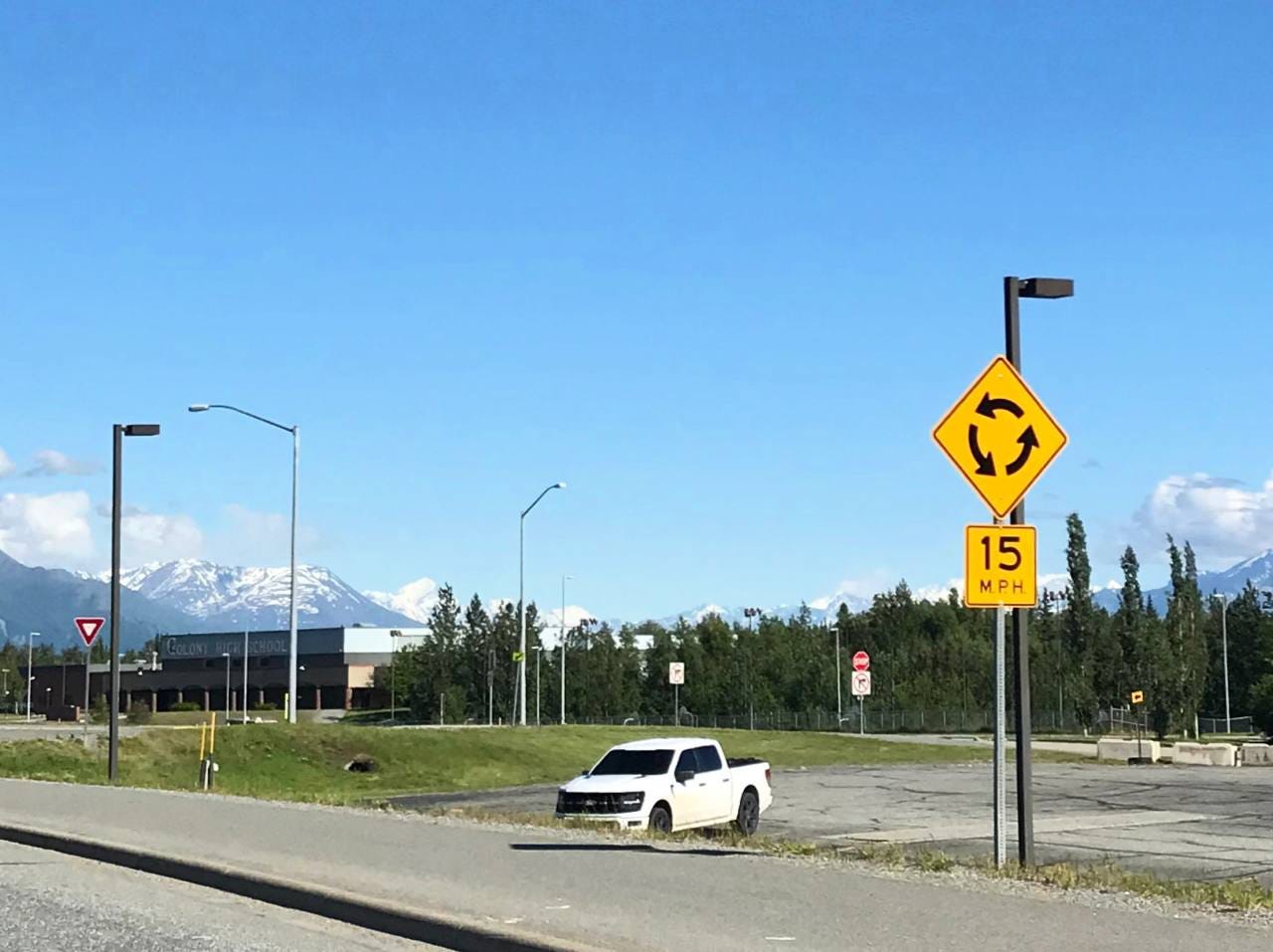
He knows all about the obstacle in the path, and the roundabouts you and I are navigating.
That doesn’t mean God is smiling at sin or excusing a horrible situation, or that we don’t need to do what we can to change those things. In fact, our recognition that this situation is not the way it’s supposed to be – it is avon, crooked, misshapen – is the beginning of turning it straight again. Correction and healing cannot happen in a place of denial.
But it also means we don’t have to change them before hearing from Him. We can’t make the corrections if we’re not hearing from Him in the first place, because we need His wisdom for this.
God meets with Solomon at the high place anyway, and this is where Solomon famously asked for wisdom instead of all the other shiny things he could’ve requested, and God gave him wisdom plus everything else.
Then Solomon awoke; it had been a dream. He came to Jerusalem, where he stood before the ark of the covenant of the Lord. He offered up burnt offerings and offerings of well-being and provided a feast for all his servants.
– 1 Kings 3:15
After the dream, Solomon changed direction (we could call this repentance – he changed his mind and way of doing things) and faced God’s promise. And then he offered his sacrifices there, instead.
Sometimes we need to move somewhere new or set a boundary or start over to see breakthrough for the situation we’ve been fighting. But we also need to know that the Lord is with us now – in this place, and in these circumstances.
He is the God with us now, not the God with us later when we get our act together and have all the answers.
Some of us have been used to running to the new thing, away from the old thing, feeling like we had to cut ties or start over or move entirely for deliverance. And sometimes we do need to let go and move on.
But it’s not always the case.
Sometimes we’re just running, avoiding, desperate for any change, no matter how much worse it ends up, as long as we don’t have to keep facing this situation, here and now.
But we need to know that the Lord is faithful here and now. In the roundabout, as we are facing our obstacle.
Turn to me and be gracious to me,
as is your custom toward those who love your name.
Keep my steps steady according to your promise,
and never let iniquity have dominion over me.– Psalm 119:132-133
He is faithful in the land of the living, in the place of our pain, at the table in the presence of our enemies.
If He’s not telling you to move, then stay. Stand. Hold your ground.
In the roundabout, we slow down. We have to hit the brakes to take the curve, and people ought to notice our brake lights so they don’t run into us. Wait, I need to think, give me a second.
Be careful, then, how you live, not as unwise people but as wise, making the most of the time, because the days are evil.
So do not be foolish, but understand what the will of the Lord is.
Do not get drunk with wine, for that is debauchery, but be filled with the Spirit, as you sing psalms and hymns and spiritual songs to one another, singing and making melody to the Lord in your hearts, giving thanks to God the Father at all times and for everything in the name of our Lord Jesus Christ, being subject to one another out of reverence for Christ.
– Ephesians 5:15-21
Others are on their own journey, taking the curve as well, and we all have to yield.
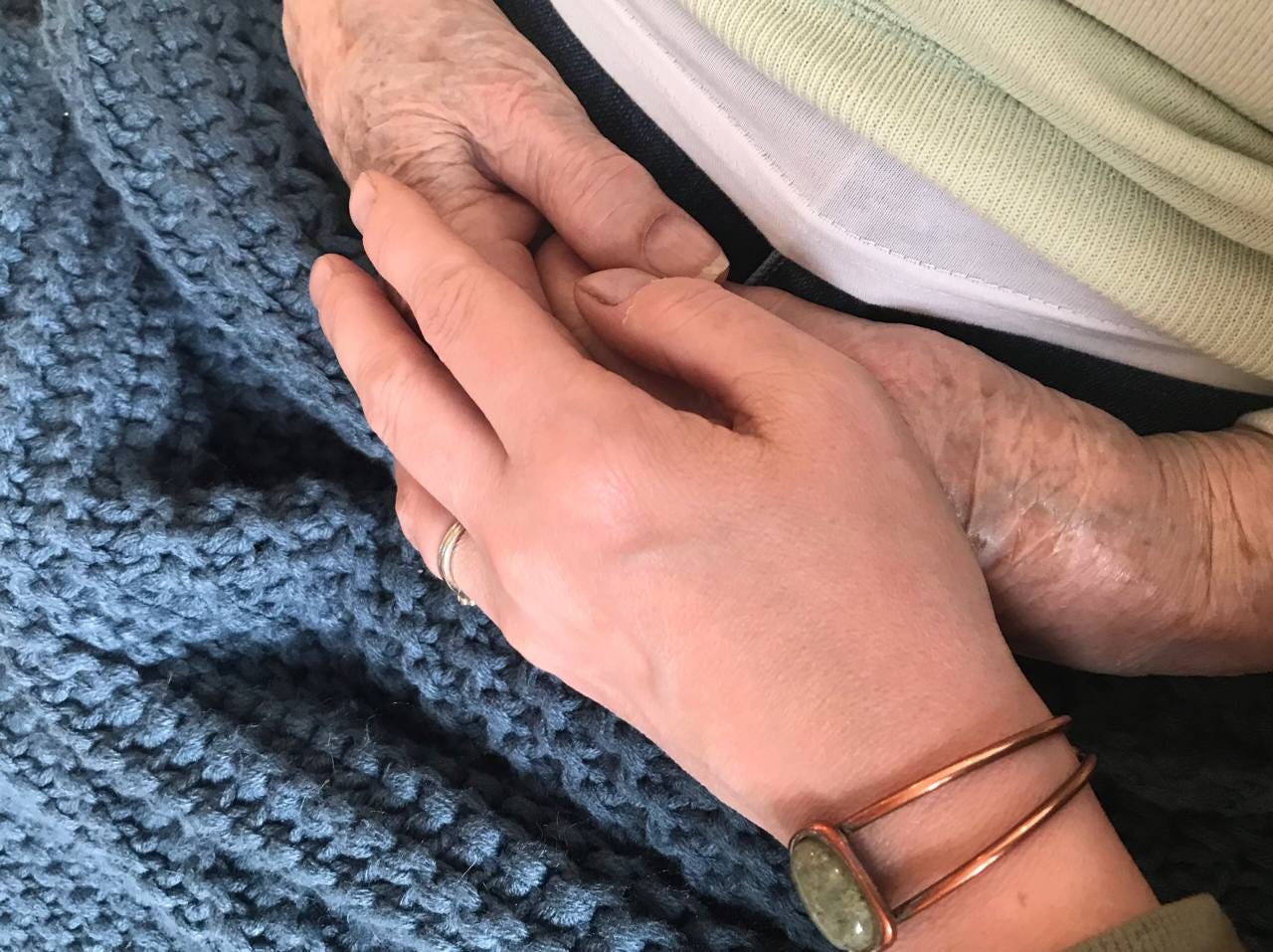
We are navigating the long goodbye to my grandma, a major house repair, and the inability to make someone choose rightly when the consequences of their wrong choices are coming at them fast.
You are navigating your own obstacles: a legal battle, a leader who dropped the ball, a work crisis, a family member whose dumpster fire is spreading dangerously close to your home.
We are learning to ask Him, “Will You show me today how faithful You are in this?” and to wait for the answer.
Consider and answer me, O Lord my God!
Give light to my eyes, or I will sleep the sleep of death,
and my enemy will say, “I have prevailed”;
my foes will rejoice because I am shaken.But I trusted in your steadfast love;
my heart shall rejoice in your salvation.
— Psalm 13:3-5
He has an answer here, now, in this messy situation that looks nothing like it ought to.
He’s not testing us to see how much misery we can handle. He is teaching us to conquer fear so we can see how trustworthy He is.
He is teaching us peace in the place of fear, boldness instead of intimidation, and joy in the roundabout, instead of those curves causing us anxiety and nausea.
We are looking to Jesus because He is the roundabout, showing us the way through.
Thanks so much for reading! You can subscribe to get these posts for free, straight to your inbox, here. If you’d like to support our work, click here.
P.S. If you want to learn more about iniquity, don’t miss this quick video from BibleProject.
- Another great example of this is Esther, who was in a much worse situation (being abducted and forced to marry a pagan king), and yet still God met her and moved through her in faithfulness. This is a terrific post about her story. ↩︎